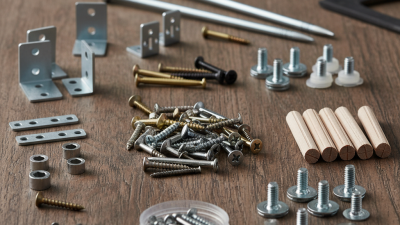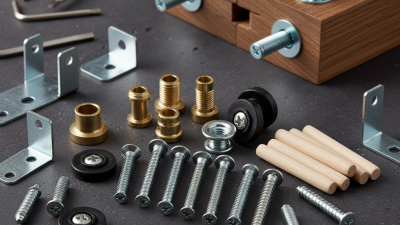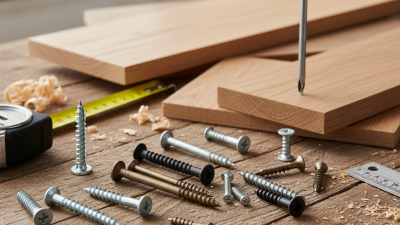
In 2026, furniture buyers face a wider choice of screws, bolts, cam locks, brackets, inserts, and connectors than ever. The right Furniture Fastener supports safety, durability, assembly speed, and product consistency. A small fitting can affect an entire cabinet, chair, table, or storage system. This guide helps global buyers evaluate fasteners with practical purchasing criteria, not attractive catalog images alone.
Material selection matters. Zinc-plated steel may suit dry indoor furniture, while stainless steel can offer better corrosion resistance in demanding environments. Thread design, head shape, torque performance, and dimensional accuracy also influence assembly quality. Buyers should request samples, inspection reports, material details, and production references before placing large orders. Supplier experience matters, but documented evidence matters more.
Small details count.
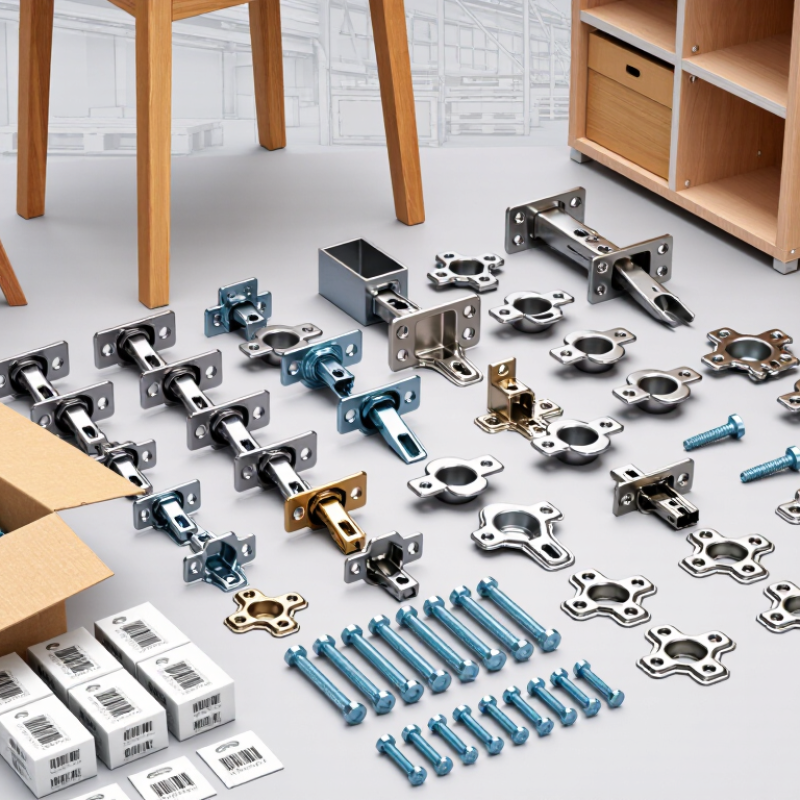
Packaging deserves attention too. Mixed sizes, unclear labels, or weak cartons can create expensive assembly delays. Confirm carton quantities, barcode requirements, export documentation, and delivery schedules early. Regional standards and customer expectations may differ, so technical information should be checked with qualified professionals and relevant testing bodies. No buying guide removes every uncertainty. Even experienced teams sometimes overlook a washer, coating limitation, or tolerance issue. That is why trial assembly and independent quality checks remain valuable. By comparing performance, total cost, traceability, and supplier reliability, global buyers can make more confident Furniture Fastener decisions for 2026 and beyond.
For global furniture buyers, fastener selection should begin with the joint load, not the catalog price. ISO 898-1 classes 4.6 through 12.9 describe mechanical properties for carbon and alloy steel fasteners. The first number indicates nominal tensile strength. The second reflects the yield relationship.
Class 4.6 may suit lightly loaded panels, brackets, or non-critical cabinet joints. Class 8.8 often supports stronger frames and repeated assembly. Classes 10.9 and 12.9 provide higher strength, but they are not automatically safer. A very strong screw can damage soft wood, strip an insert, or split a thin metal tube. That mistake is surprisingly common.
Torque must be treated as an estimate. Thread size, surface finish, lubrication, washer type, and coating can change clamp load sharply. A practical starting point uses T = K × F × d, then confirms results through testing. Measure the joint’s pull-out resistance, vibration behavior, and deformation. Use a calibrated torque tool on production samples. Keep records by batch.
Safety targets should include working load, installation error, and repeated-use fatigue. Furniture may experience sudden impacts, uneven floors, and careless tightening. I would not approve a class from tensile strength alone. Test the complete connection instead. Sometimes the “stronger” fastener creates the weaker assembly. That deserves review.
Load, torque, and safety targets using ISO 898-1 property classes 4.6–12.9
The chart compares nominal tensile strength and nominal yield strength for carbon and alloy steel fasteners under ISO 898-1 property classes. Higher classes generally support higher clamp loads, but torque targets must also account for thread size, lubrication, friction, and joint design. Confirm the selected class against the required safety factor and assembly conditions.
Furniture fasteners demand more than a bright finish. They need predictable strength, corrosion resistance, and stable supply. ISO 3506-1:2020 identifies A2 and A4 austenitic stainless fasteners by chemical composition and mechanical performance. A2, commonly linked with 304-type stainless, suits indoor furniture and ordinary humidity. A4, commonly linked with 316-type stainless, offers better resistance to chlorides, coastal air, and damp rooms. The standard matters.
But ISO 3506 does not classify every fastener material. Carbon steel requires its own grade, coating, and strength specification. Brass also needs separate material standards and property checks. The World Steel Association reported 1,885.4 million tonnes of crude steel production in 2024, showing carbon steel’s broad industrial availability. Yet availability does not prove suitability. A cheap carbon screw can rust beneath a damaged coating. That small failure may stain a wooden panel.
For global purchasing, request the complete ISO 3506 designation, tensile class, dimensions, surface condition, and test documentation. Check whether A2 or A4 is truly needed. Indoor cabinets rarely need marine-grade resistance, while outdoor seating may punish weak choices. I would not trust color alone. Ask for batch certificates and salt-spray results when coatings are involved. Brass remains attractive and non-magnetic, but its lower strength can disappoint in heavily loaded joints. The awkward part is that furniture design often changes after purchasing. Recheck the fastener against the final environment.
Sources: ISO 3506-1:2020; World Steel Association, World Steel in Figures 2025.
Match thread design and pilot-hole size to wood density and grain. Dense hardwoods such as oak, maple, and beech resist thread penetration. Use screws with a finer thread, sharp cutting points, and a pilot hole close to the screw’s core diameter. Softer woods, including pine and spruce, usually accept coarser, deeper threads. Their pilot holes can be slightly smaller. Do not guess from the timber name alone. Moisture, age, and grain direction can change drilling resistance.
Tips: Test on offcuts first. Measure the pilot hole with calipers, not by eye. For hardwood, begin near 70–85% of the screw’s core diameter. Adjust after checking insertion torque and holding strength. Drill deeper than the threaded length when the screw has a blunt tip. This reduces splitting and helps prevent raised surfaces around the joint.
Grain direction matters as much as density. A fastener driven near an end grain may hold less effectively than one driven across the grain. In angled joints, select longer threads carefully, because excessive length can break through the visible face. I have seen a “correct” hole still fail when the wood was unusually dry. That is an important reminder: specifications guide the purchase, but sample testing confirms it. Global buyers should request thread drawings, core diameters, coating details, and pilot-hole recommendations before approving large quantities.
2026 Top Furniture Fastener Buying Guide for Global Buyers
Verify Coatings with ISO 9227 Salt-Spray Tests and REACH/RoHS Rules
A practical fastener audit starts with the coating, not the carton. Zinc-plated screws, brackets, and cam fittings may look identical under warehouse lighting. Their corrosion performance can differ sharply. Request an ISO 9227 salt-spray test report for the exact coating and production specification. Check the exposure time, test method, sample preparation, and red-rust rating. A test report is evidence, not a promise. ISO 9227 results do not perfectly reproduce humid rooms, coastal storage, or furniture cleaning chemicals.
Tips: Match the report to the actual batch. Confirm the laboratory, test date, coating thickness, and acceptance criteria. Keep photos of sampled parts. Small gaps in records can become large claims later.
REACH and RoHS verification requires more than a supplier declaration. Ask for current material declarations, restricted-substance statements, and supporting laboratory data when risk is high. Pay attention to surface treatments, pigments, sealants, and base metals. These details can affect whether a fastener is suitable for a target market. Requirements and enforcement practices may change, so review documents before each major order. I would not rely on an old report simply because the drawing has not changed. Suppliers can change sub-processors quietly. That is an uncomfortable possibility. A controlled coating specification, traceable batch number, and independent review create stronger purchasing evidence.
| Fastener Type | Typical Material | Common Size Range | Recommended Coating or Finish | Typical Furniture Application | Suggested ISO 9227 Test Setup | Illustrative Procurement Target | REACH / RoHS Buying Check |
|---|---|---|---|---|---|---|---|
| Confirmat Screw | Case-hardening carbon steel | Diameter 5–7 mm Length 40–70 mm |
Zinc electroplating with passivation, or zinc-flake coating for higher corrosion resistance | Particleboard, MDF, and flat-pack cabinet joints | ISO 9227 NSS | Specify by drawing Common commercial targets: 24–96 h to red-rust limit |
Obtain a restricted-substance declaration and coating composition. Check hexavalent chromium conversion coatings and lead in steel or plating. |
| Chipboard Screw | Hardened carbon steel | Diameter 3–6 mm Length 16–80 mm |
Electro-zinc plated, yellow-passivated, or organic-coated | Wood-based panels, drawer components, and interior furniture assembly | ISO 9227 NSS | Specify by drawing Typical indoor target: 24–72 h to red rust |
Request evidence for RoHS-restricted metals and phthalates in any polymer topcoat. Confirm SVHC communication duties for articles. |
| Wood Screw | Carbon steel or stainless steel | Diameter 3–8 mm Length 20–120 mm |
Bright zinc, black oxide, zinc-flake, or stainless passivated finish | Solid wood frames, legs, handles, and structural joinery | ISO 9227 NSS; use AASS only when specified for acidic exposure | Specify by drawing Target depends on indoor, humid, or outdoor service class |
For stainless steel, request material grade and composition. For coated steel, verify chromium, lead, cadmium, and coating additives. |
| Machine Screw | Carbon steel, stainless steel, or alloy steel | M3–M8 Lengths 6–60 mm |
Zinc electroplating, zinc-nickel, zinc-flake, or passivated stainless steel | Metal brackets, hinges, drawer slides, and furniture hardware | ISO 9227 NSS for general comparison | Specify by drawing Use corrosion-class requirements rather than a generic hour value |
Verify coating process, plating thickness, and declarations for homogeneous materials. RoHS limits apply to specified restricted substances at homogeneous-material level. |
| Furniture Connecting Bolt | Carbon steel or stainless steel | M6–M10 Lengths 30–100 mm |
Zinc-plated, zinc-flake, or passivated stainless steel | Bed frames, tables, cabinets, and knock-down furniture connectors | ISO 9227 NSS | Specify by drawing Common targets: 48–240 h depending on environment |
Request coating test report, base-material declaration, and SVHC statement dated to the order. Do not treat salt-spray performance as chemical compliance. |
| Barrel Nut / Cross Dowel | Low-carbon steel or zinc alloy | Diameter 10–16 mm Length 8–20 mm |
Electro-zinc plated, nickel plated, or organic-coated | Knock-down beds, desks, bookcases, and panel furniture | ISO 9227 NSS | Specify by drawing Target should reflect concealed or exposed installation |
Check zinc-alloy composition for lead and cadmium. Request declarations for decorative plating, lacquer, and any polymer components. |
| Threaded Insert | Zinc alloy, brass, or carbon steel | Internal thread M4–M8 Overall length 8–20 mm |
Plain zinc alloy, zinc plated, nickel plated, or passivated stainless steel | Reusable threaded joints in particleboard, MDF, and solid wood | ISO 9227 NSS when exposed to humidity or visible corrosion risk | Specify by drawing Performance depends on substrate, installation torque, and exposure |
Request alloy chemistry and plating declaration. Confirm SVHC information for the supplied article and packaging separately where applicable. |
| Hinge Screw | Hardened carbon steel or stainless steel | Diameter 3.5–4.5 mm Length 12–20 mm |
Zinc plated, nickel plated, black oxide, or passivated stainless steel | Cabinet hinges, concealed hinges, and adjustable hardware | ISO 9227 NSS | Specify by drawing Typical indoor target: 24–96 h to red rust |
Check for restricted metals in plating and base steel. If supplied with plastic caps, request separate polymer compliance information. |
| Upholstery Staple | Galvanized carbon steel or stainless steel | Wire diameter 0.6–1.4 mm Leg length 6–40 mm |
Electro-galvanized, mechanically galvanized, or stainless passivated | Fabric, leather, and upholstery attachment to wood frames | ISO 9227 NSS where moisture exposure is expected | Specify by drawing Use stainless steel for demanding humid or coastal conditions |
Verify zinc coating and steel chemistry. Request REACH and RoHS declarations for the staple and any adhesive or coating system. |
| Washer and Nut | Carbon steel, stainless steel, or brass | M4–M12 Outside diameter typically 8–24 mm |
Zinc plated, zinc-flake, nickel plated, or passivated stainless steel | Load distribution and vibration control in furniture joints | ISO 9227 NSS | Specify by drawing Set the target for the complete assembly, not only one component |
Request declarations for each material and finish. Confirm that plating and passivation do not contain restricted substances above applicable limits. |
| Outdoor Furniture Fastener | Stainless steel, zinc-flake-coated steel, or hot-dip galvanized steel | M5–M10 Lengths 20–120 mm |
Passivated stainless steel, zinc-flake, or hot-dip galvanized finish | Garden furniture, outdoor tables, benches, and humid-area furniture | ISO 9227 NSS; AASS or CASS only when specifically required by the product specification | Define exposure class Use red-rust and functional-corrosion limits in the purchase specification |
Confirm alloy grade, coating chemistry, and surface-treatment declaration. Salt-spray results do not replace REACH/RoHS documentation. |
| Decorative Furniture Fastener | Brass, stainless steel, zinc alloy, or carbon steel | Diameter 4–20 mm Head height 2–8 mm |
Nickel, chrome, antique, lacquered, powder-coated, or PVD-type decorative finish | Visible knobs, caps, studs, trim, and ornamental fittings | ISO 9227 NSS for finish durability; define appearance criteria separately | Specify by drawing Set limits for blistering, peeling, red rust, color change, and visible defects |
Check nickel release requirements where consumer skin contact is foreseeable. Request chemical declarations for plating layers, lacquer, and base metal. |
Global furniture buyers should compare more than the quoted fastener price. MOQ affects cash flow, storage space, and production flexibility. A lower MOQ may cost more per piece, but it can reduce obsolete inventory. Ask suppliers to separate tooling MOQ from regular order MOQ. This distinction is often missed.
AQL 1.5 provides a sampling framework, not a promise of zero defects. Confirm the inspection level, sample size, and acceptance numbers in writing. For critical failures, require zero acceptance and clear corrective actions. PPAP can add stronger process evidence. Request approved samples, material certificates, process flow charts, and control plans. It may feel excessive for a small screw, yet inconsistent threads can stop an assembly line.
Traceability should reach the production batch, raw material lot, operator record, and inspection report. A readable batch code on each carton helps during field investigations. Calculate total landed cost, including unit price, tooling, packaging, freight, insurance, duties, customs fees, inspection, and possible rework. A cheap shipment can become expensive after port delays and damaged cartons. I have seen teams focus on price and overlook handling charges. That mistake is understandable, but it deserves review. Supplier data should be checked against actual receipts, not accepted blindly.