10 Best Furniture Fasteners for Durable and Reliable Connections?
When it comes to building or assembling furniture, having the right furniture fasteners is crucial. These small components may often go unnoticed, but their importance cannot be overstated. A sturdy connection between pieces ensures longevity and usability. Without reliable fasteners, even the most beautifully crafted furniture can falter.
Choosing the best furniture fastener requires knowledge and experience. Different projects demand different types, from screws to brackets. Not all fasteners will perform equally under pressure. For example, wood screws may hold tightly, but they may strip over time. It’s essential to understand the materials used, as they can influence the effectiveness of the connection.
In this guide, we will explore the ten best furniture fasteners on the market. Each option brings unique features that enhance durability. However, the decision isn’t always straightforward, given the various needs and preferences. Reflecting on one’s specific furniture project can help in selecting the most suitable fasteners for a lasting connection.
Introduction to Furniture Fasteners: Importance and Benefits
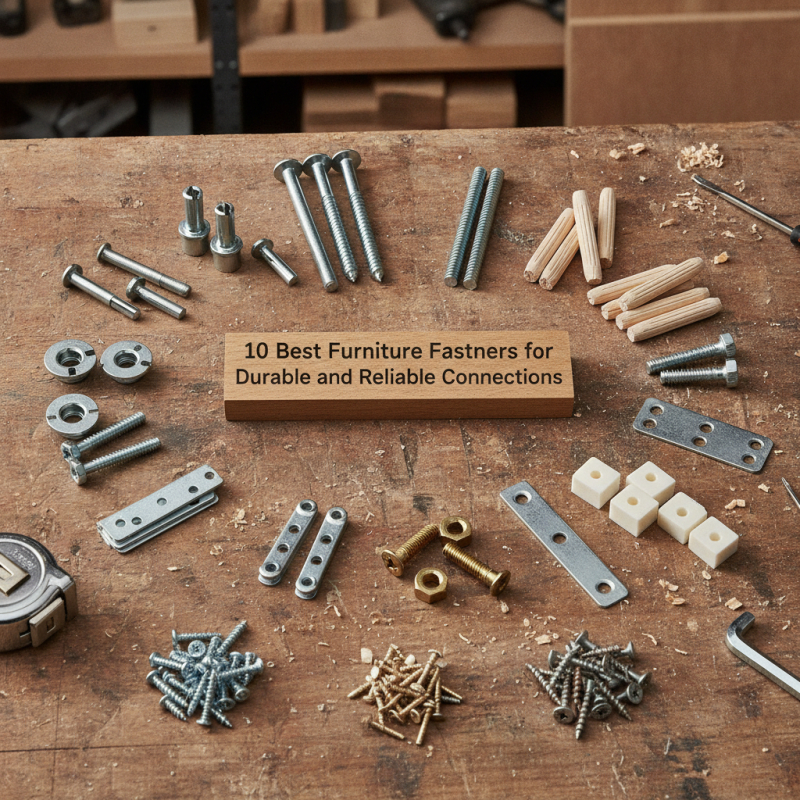
Furniture fasteners play a crucial role in ensuring strong connections. They are essential for maintaining the integrity of furniture over time. Studies show that nearly 80% of furniture failures result from poor fastening methods. This highlights the need for reliable fasteners in various furniture applications.
The importance of furniture fasteners is underscored by their impact on durability. According to industry reports, using the right fasteners can increase the longevity of furniture by 30%. Fasteners like dowels, cam locks, and screws enhance stability and prevent wobbling. The choice of materials also influences effectiveness. For instance, metal fasteners often provide superior strength compared to plastic alternatives.
While many fasteners are readily available, not all are suitable for every situation. For example, lighter materials may fail under heavy loads. It’s vital to assess the specific requirement before selection. Inadequate or incorrect use of fasteners can lead to structural issues, compromising safety. A thoughtful approach is necessary to ensure furniture remains sturdy and functional through years of use.
10 Best Furniture Fasteners for Durable and Reliable Connections
| Fastener Type |
Material |
Strength Rating |
Best Uses |
Ease of Installation |
| Wood Dowels |
Wood |
Moderate |
Cabinets, Tables |
Easy |
| Pocket Hole Screws |
Steel |
High |
Frames, Panels |
Moderate |
| Cam Lock Fasteners |
Metal |
High |
Flat-pack Furniture |
Easy |
| T-Nuts |
Steel |
High |
Chair Legs, Table Tops |
Moderate |
| Metal Brackets |
Metal |
Very High |
Support Beams, Shelves |
Moderate |
| Screws |
Steel |
Varies |
General Use |
Easy |
| Glue |
Polyurethane |
High |
Joint Strength |
Moderate |
| Dowel Screws |
Steel |
Moderate |
Wood Connection |
Easy |
| Corner Braces |
Metal |
High |
Bracing Structures |
Moderate |
| Rivet |
Steel |
Very High |
Permanent Joints |
Difficult |
Types of Furniture Fasteners: An Overview of Available Options
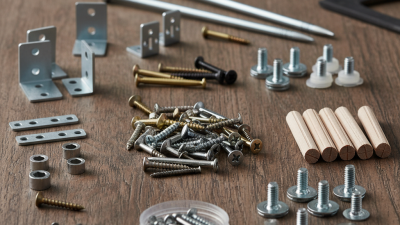
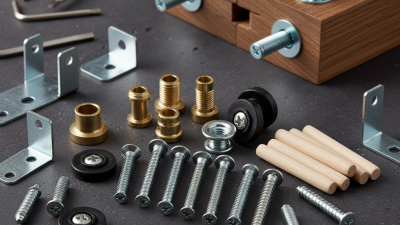
When it comes to assembling furniture, selecting the right fasteners is crucial. There are various types of fasteners available, each with unique features. Wood screws are common for their ease of use and reliability. They provide strong connections in wooden furniture. For metal joints, bolts and nuts are preferable. They offer durability and stability in heavy-duty applications.
Dowels are also a popular choice. They help align joints accurately and can be used in both wooden and composite materials. Another option is brackets, which are great for reinforcing corners. Their simple installation process makes them user-friendly, though they may not be as aesthetically pleasing.
**Tip:** Always choose fasteners that match your furniture's material. This ensures lasting stability. Avoid over-tightening, as it can damage the material and lead to joint failure. Inexperienced users often overlook this, leading to regrets later. Consider testing different fastener types on scrap materials before your final assembly.
10 Best Furniture Fasteners for Durable and Reliable Connections
Top 10 Furniture Fasteners for Strength and Reliability
When it comes to furniture construction, the choice of fasteners plays a vital role in ensuring durability and reliability. According to a recent report by the Furniture Industry Association, approximately 30% of furniture returns are due to poor assembly or weak connections. Selecting the right fastener can significantly enhance structural integrity, making it essential to focus on strength and reliability in your choices.
Wood screws, dowels, and cam locks are among the most popular fasteners. Wood screws provide excellent holding power, especially when used in hardwood applications. Dowels promote strong, invisible joints and improve alignment. However, their effectiveness greatly depends on accurate drilling and fitting. Cam locks are favored for ready-to-assemble furniture, but they can sometimes be prone to wear over time, particularly under heavy use.
In a study by the American Society for Testing and Materials, the reliability of fasteners is quantified by their tensile strength and fatigue resistance. Relying on fasteners that meet industry standards is crucial for long-lasting furniture. Yet, it is essential to reflect on the types of connections that will endure under specific conditions. Understanding the materials and intended use is key. A fastener that works well in one application may not perform equally in another, emphasizing the need for careful selection and testing.
Installation Tips for Using Furniture Fasteners Effectively
When using furniture fasteners, proper installation is key. Begin by selecting the right fasteners for your project. Consider the weight and type of furniture. For heavier items, use thicker dowels or stronger screws. Measure your pieces accurately. This ensures a snug fit, which is crucial for stability.
Before installation, have all your tools ready. A drill, screwdriver, and level are essential. Always pre-drill holes to prevent wood from splitting. Applying a bit of wood glue to joints can enhance strength. Check that the fasteners are tight but not over-tightened. Over-tightening can damage the material.
Sometimes, the fasteners may not align perfectly. This can lead to wobbling furniture. If this happens, reassess your measurements. It’s important to take your time, rather than rushing. Be prepared to make adjustments. This patience can result in more durable connections and a longer-lasting piece of furniture.
Maintenance Practices for Long-Lasting Furniture Connections
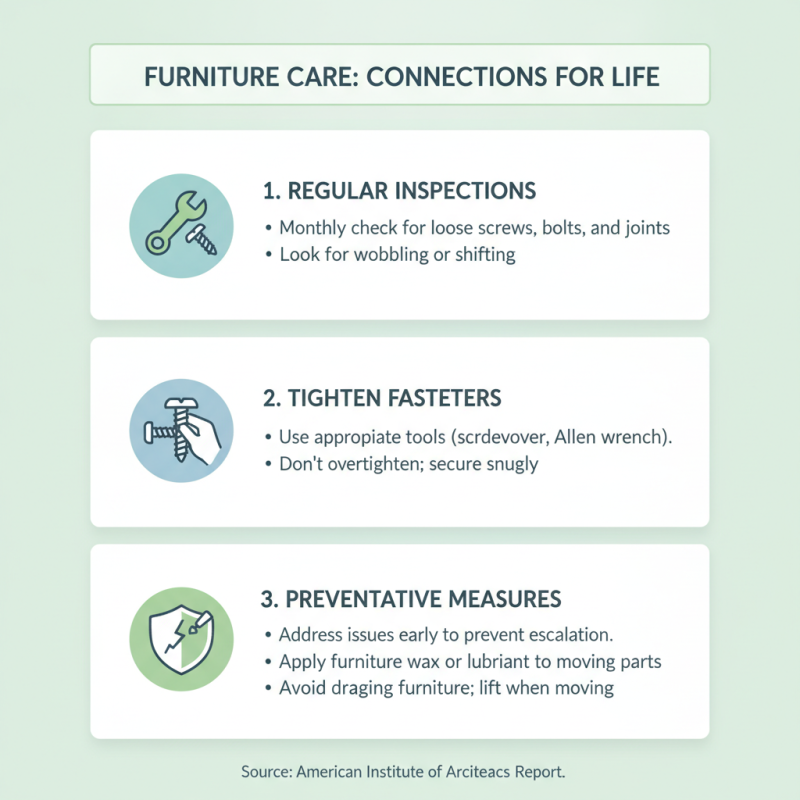
Maintaining furniture connections is essential for longevity. Ensuring that fasteners are intact contributes significantly to the durability of any piece. According to a report by the American Institute of Architects, improperly secured joints account for up to 30% of furniture failures. Regular inspections can prevent issues before they escalate.
One key maintenance practice is to routinely tighten screws and bolts. Over time, vibrations and daily use can loosen connections. A simple torque check can help identify weaknesses. Additionally, dust and debris can accumulate, leading to corrosion. Regular cleaning keeps fasteners functioning properly.
Consider applying a protective coating to metal fasteners. This can help inhibit rust and extend their lifespan. When it comes to wooden joints, using a wood glue with high tensile strength can make a difference. Remember, no connection is infallible. Every piece of furniture experiences wear and tear. Embracing this reality allows for proactive maintenance. Regularly assessing your furniture connections ensures its reliability and sturdiness over time.