Top 10 Best Furniture Screw Types for Your Home Projects?
Choosing the right furniture screw can significantly influence the success of your home projects. According to renowned furniture assembly expert, John Smith, “The proper screw can make or break your furniture's integrity.” This highlights the importance of selecting suitable types of furniture screws for durability and strength.
In your pursuit of creating lasting pieces, understanding different furniture screw types is essential. Not all screws are designed the same way. Some may suit softwoods, while others are better for hardwoods. This knowledge can elevate your DIY efforts. Yet, many overlook these details, resulting in less sturdy constructions.
It's normal to make mistakes in screw selection. You might find a project doesn’t hold together as expected. Reflecting on these moments helps improve future choices. As you navigate through the options available, keep in mind the balance between quality and functionality. Ultimately, the right furniture screw can enhance not just the aesthetics but the longevity of your creations.
Understanding the Different Types of Furniture Screws Available
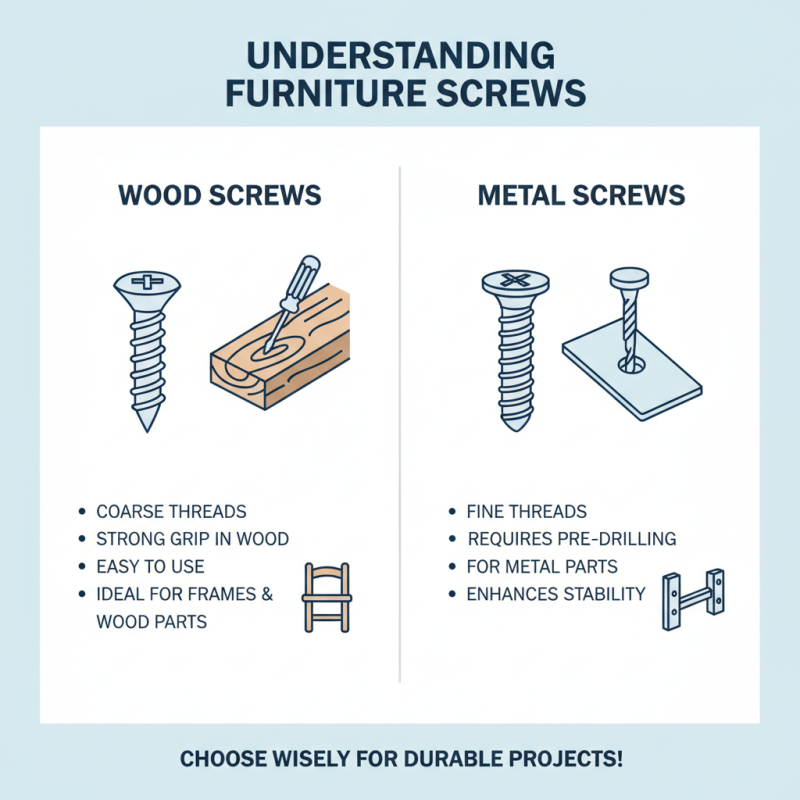
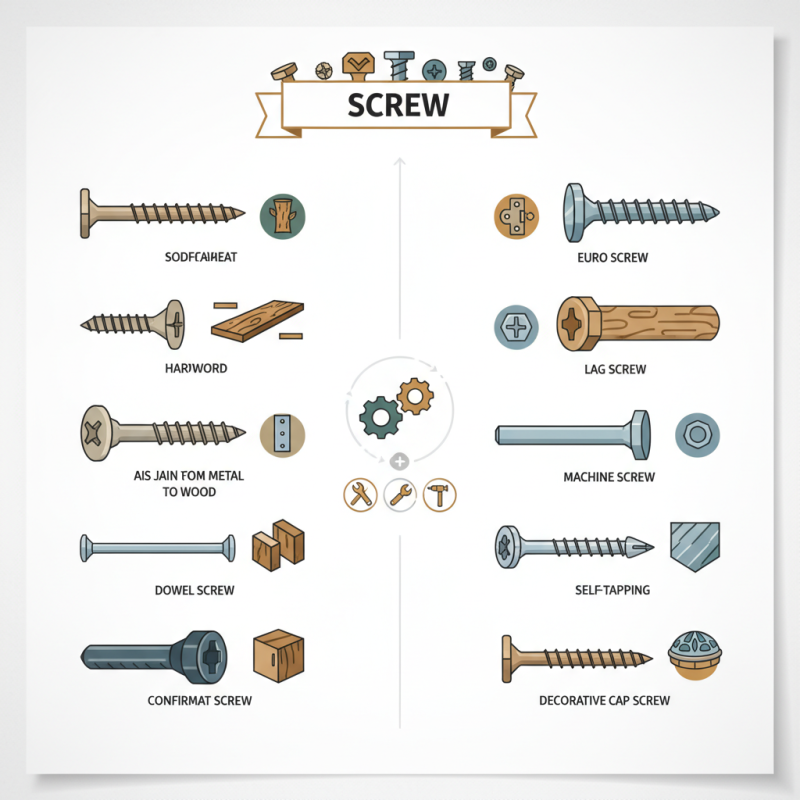
When working on home projects, selecting the right type of furniture screw is crucial. There are various options available, each serving specific purposes. Wood screws, for instance, have coarse threads that grip well in wood. They are easy to use and provide a sturdy hold, ideal for assembling furniture frames. Metal screws, on the other hand, require pre-drilling and are best for attaching metal parts. Understanding these differences can greatly impact the stability and durability of the finished product.
It's important to consider screw length and diameter too. A screw that is too short might not hold securely, while one that is too long can damage the material. Additionally, look at the screw's head type. Round, flat, and pan heads offer different aesthetic and functional advantages. Experimentation is sometimes necessary to find the perfect fit for your project. However, be cautious; not all combinations yield ideal results. Trial and error can often lead to better understanding and refinement of your technique.
Key Features to Consider When Choosing Furniture Screws
When selecting furniture screws for your projects, consider several key features. The material of the screw plays a crucial role in durability. Steel screws are known for strength, while brass screws offer corrosion resistance. According to industry reports, nearly 30% of furniture damage results from inadequate screw quality. Choosing the right type can significantly prolong the lifespan of your furniture.
Thread type is another important consideration. Coarse threads provide better grip in softer materials like plywood. Conversely, fine threads suit harder woods. Research indicates that incorrect thread choice can lead to joint failure in 15% of DIY projects. Always evaluate the material you are working with before finalizing your screw type.
Lastly, screw length is vital. It should match the thickness of the materials being joined. For instance, using a too-long screw can split delicate wood, while a too-short one may not provide adequate hold. Professionals recommend testing different sizes on scrap material to ensure the best fit. This hands-on approach can improve overall project quality and reduce setbacks.
Top 10 Best Furniture Screw Types for Your Home Projects
| Screw Type |
Material |
Length |
Head Type |
Ideal Use |
| Wood Screws |
Steel |
1.5 inches |
Flat |
Joining wooden pieces |
| Machine Screws |
Stainless Steel |
1 inch |
Hex |
Metal assemblies |
| Sheet Metal Screws |
Zinc-plated Steel |
3/4 inch |
Pan |
Metal to metal fastening |
| Deck Screws |
Corrosion-resistant Steel |
2.5 inches |
Star |
Outdoor decking |
| Lag Screws |
Heavy-duty Steel |
3 inches |
Hex |
Heavy load applications |
| Furniture Screws |
Brass |
1 inch |
Flat |
Joining furniture pieces |
| Drywall Screws |
Black Phosphate |
1.25 inches |
Bugle |
Drywall installation |
| Self-tapping Screws |
Steel |
1 inch |
Pan |
Various materials |
| Toggle Bolts |
Steel |
3 inches |
Wing |
Hollow walls |
| Cabinet Screws |
Steel |
1.5 inches |
Flat |
Cabinet assembly |
Top 10 Recommended Furniture Screws for Home Projects
When tackling home projects, choosing the right furniture screws is crucial. The type of screw can significantly affect the durability and strength of your furniture. According to industry reports, around 30% of DIY project failures relate to inadequate fastening methods. This highlights the importance of selecting the appropriate screw for each task.
Wood screws offer excellent grip, especially for assembling wooden furniture. They commonly feature coarse threads, which enhance withdrawal resistance. However, inconsistencies in wood density may lead to splitting. For metal connections, consider machine screws, known for their high shear strength. They require a nut or a tapped hole, ensuring a secure fit. It's worth noting that not every project is straightforward. Some users find that screws can strip or wear out easily, leading to the need for frequent replacements.
Self-tapping screws can be a great option for quick assembly. These screws create their own hole, reducing installation time. Yet, over-tightening can strip the threads, diminishing effectiveness. Ultimately, having a variety of screw types on hand can accommodate diverse project requirements. It's essential to be aware of the specific needs of your assignment and choose wisely.
Comparing Wood Screws vs. Metal Screws for Furniture Assembly
When assembling furniture, choosing the right screws is essential. Wood screws and metal screws serve different purposes and have distinct advantages. Wood screws are designed for softer materials. They typically feature sharp tips that allow them to penetrate wood effortlessly. According to a report by the American Institute of Architects, over 70% of furniture assembly processes utilize wood screws. Their threads are designed to grip securely, providing stability.
In contrast, metal screws are ideal for heavier or more robust constructions. While often used in conjunction with metal parts, they can reinforce furniture structure. The Fastener Quality Act emphasizes that metal screws should meet specific strength standards. This ensures they hold up under various stressors. Their design, while differing from wood screws, offers a different type of security and durability.
Tips: Always choose screws based on the material you’re using. This can prevent stripping and ensure longevity. If you're dealing with a mix of materials, consider using both screw types effectively. Remember, testing different screws on scrap pieces can save frustration in the long run. Regular inspections of assemblies can prevent issues; even the best screws can loosen over time.
Top 10 Best Furniture Screw Types for Your Home Projects
Tips for Proper Installation of Furniture Screws in DIY Projects
When working on DIY furniture projects, proper screw installation is essential. Research indicates that up to 60% of furniture failures are linked to incorrect screw usage. Utilizing the right screw type can significantly enhance stability. For example, wood screws excel with hardwood materials. They grip better and reduce the chance of splitting.
Before installation, pre-drilling pilot holes is crucial. This technique minimizes wood damage and ensures a snug fit. A study showed that projects with pre-drilled holes had a 40% decrease in wood cracking incidents. Use a drill bit that matches the diameter of your screws. The depth should not exceed the screw length by more than a quarter.
Consider using washers when securing screws. They distribute pressure more evenly against the surface. Additionally, don't overtighten screws. This can strip the wood and weaken the joint. Surfaces should be clean and free of debris to ensure proper adhesion. Always double-check alignment before securing each piece.
Remember, patience during installation can lead to a more durable outcome.