What is a Carriage Bolt and How is it Used?
In the world of hardware, the carriage bolt stands out. Renowned expert John Smith, a specialist in fastening technologies, once stated, “A carriage bolt is designed for strength and ease of use.” This simple but effective fastener has been crucial in various construction and woodworking applications.
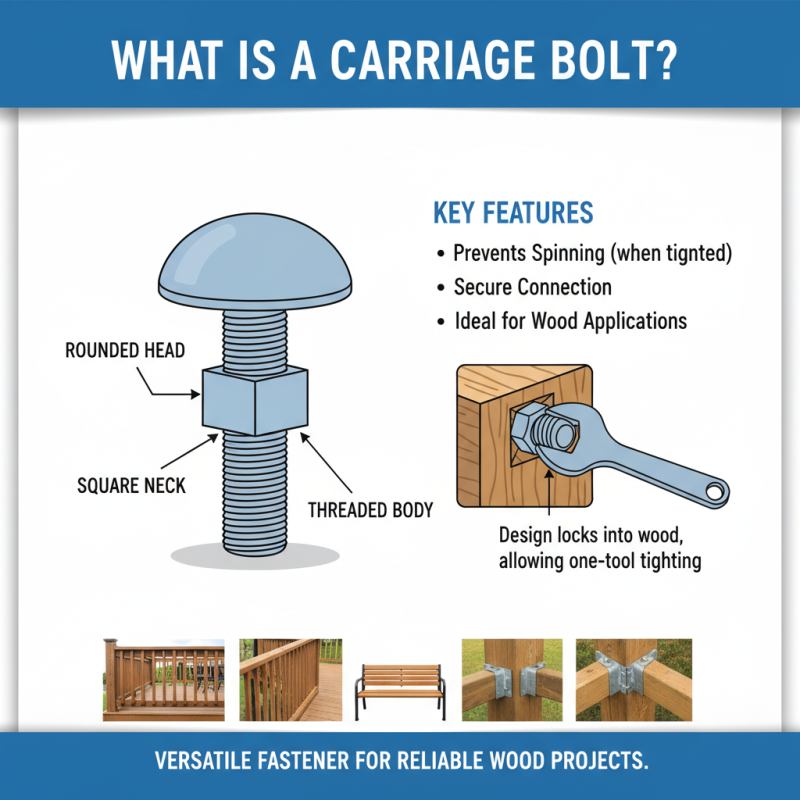
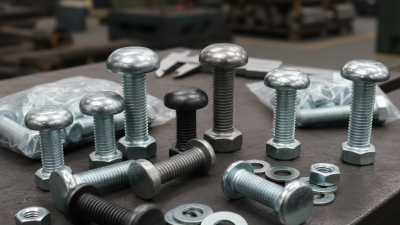
Carriage bolts feature a domed head and a square neck, ensuring a secure grip. This design prevents the bolt from turning when tightened. They are often used in structural projects, such as building decks and securing heavy furniture. Despite their specific uses, many people overlook their potential advantages.
However, choosing the right carriage bolt can be challenging. Factors like material and size must be considered. Improper selection could lead to structural failures or difficulties during assembly. Understanding the carriage bolt's characteristics is essential for anyone involved in construction or DIY projects. Balancing strength and functionality is key.
What is a Carriage Bolt?
Carriage bolts are a unique type of fastener. They feature a rounded head and a square neck underneath. This design prevents the bolt from spinning when tightened. Carriage bolts are commonly used in wood applications. They provide a secure connection for various projects.
When using carriage bolts, it's important to consider the materials involved. Often, they are paired with a washer and nut. This combination distributes the load better and offers increased stability. The length of the bolt should be appropriate for the thickness of the materials being joined. Overly long bolts can lead to complications during installation and improper fastening.
Carriage bolts are often used in furniture assembly, deck building, and other DIY projects. However, some people may overlook their importance. Using the wrong size or type can lead to weak structures. It's essential to choose the right fasteners for the job. Through experience, many find that careful planning and the right tools make a significant difference.
Characteristics and Design of Carriage Bolts
Carriage bolts are unique fasteners known for their round heads and smooth shafts. They typically have a square section just below the head. This design feature prevents the bolt from turning when tightened, making them ideal for wooden structures. They are commonly used in furniture assembly and outdoor projects.
The head of a carriage bolt is often domed, which provides a clean, finished look. This aesthetic quality is beneficial for visible applications. The smooth shaft allows for easy installation through pre-drilled holes. However, one should ensure accurate hole sizing to avoid difficulties during installation. Using the wrong size can lead to weak connections.
While carriage bolts are durable, they do have some limitations. For instance, they may not be suitable for high-stress applications without additional support. Also, their reliance on nut and washer systems can complicate disassembly. Understanding these nuances is crucial for effective use, ensuring that the bolts fulfill their intended purpose without compromise.
Common Materials Used in Carriage Bolt Production
Carriage bolts are essential fasteners widely used in construction and woodworking. Their unique design allows for a smooth, domed head that prevents them from spinning during installation. Carriage bolts have various applications, mainly due to the materials they're made from, which significantly impact their strength and corrosion resistance. Common materials include carbon steel, stainless steel, and brass. Each of these materials has distinct properties that cater to different environments and load requirements.
Carbon steel is most commonly used in carriage bolt production. It offers a high tensile strength, making it ideal for heavy-duty applications. According to a recent industry report, the carbon steel market is projected to grow substantially. Stainless steel carriage bolts are preferred for outdoor projects due to their excellent corrosion resistance. Data indicates that 50% of stainless steel fasteners are used in applications exposed to moisture. Brass carriage bolts are less common but provide good aesthetic appeal and corrosion resistance in certain environments.
Tips: When selecting carriage bolts, consider the environment. Choosing the right material can prevent rust and prolong the lifespan of your projects. Always check load ratings to ensure safety and reliability. Be wary of lower-quality options; they may compromise your structural integrity over time. Ensure a proper fit and finish for optimal performance, as poor quality can lead to failure in critical applications.
What is a Carriage Bolt and How is it Used? - Common Materials Used in Carriage Bolt Production
| Material |
Description |
Common Uses |
Strength |
| Carbon Steel |
A strong and durable material; ideal for everyday use. |
Wood applications, general construction. |
High |
| Stainless Steel |
Corrosion-resistant material; used in outdoor or wet environments. |
Marine applications, outdoor furniture. |
Very High |
| Brass |
An alloy of copper and zinc; offers good corrosion resistance and aesthetic appeal. |
Interior fixtures, decorative applications. |
Medium |
| Aluminum |
Lightweight and moderately strong; resistant to corrosion. |
Aerospace, automotive applications. |
Low to Medium |
Applications of Carriage Bolts in Construction and Furniture
Carriage bolts are widely used in construction and furniture making. Their design features a rounded head and a square neck, which prevents rotation when tightening. This unique shape makes them ideal for applications where a flush surface is desired. In construction, they are often used to fasten wooden beams or connect metal parts. Their strength ensures stability in structure while providing an aesthetically pleasing look.
In the realm of furniture, carriage bolts add durability to various projects. They can be used to assemble tabletops or secure legs firmly. The smooth head offers a clean finish, enhancing the overall appearance. However, installation can sometimes pose challenges. It's essential to drill the right holes for a secure fit. Improper installation may lead to wobbling or instability in the furniture piece. Applying wood glue alongside the bolts can improve hold, but requires patience.
While carriage bolts serve distinct purposes, understanding their limitations is crucial. Over time, the wood may shrink, loosening the fit. Regular checks are advisable to maintain strength in furniture and constructed items. Reflecting on these factors ensures that the benefits of carriage bolts are maximized in any project.
Installation Methods for Carriage Bolts and Best Practices
Carriage bolts are commonly used in woodworking and metalworking. Proper installation is key for effective performance. Begin by choosing the right size bolt for your project. Typically, the diameter should match the thickness of the materials being joined. Drill a hole large enough for the bolt to pass through easily. The hole should be slightly larger than the bolt to allow for movement and adjustments.
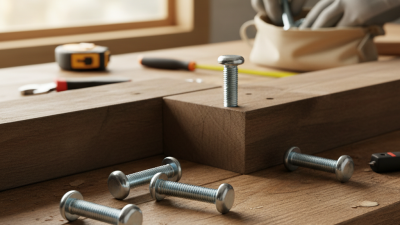
Securing the bolt is essential. Place the square neck of the bolt into a pre-drilled hole to prevent spinning. Use a nut and washer on the opposite side. This distributes the load evenly and provides a secure fit. Hand-tightening may not be enough, so use a wrench for a snug fit. Avoid over-tightening, as this can strip the threads or damage the materials.
It’s good to check the installation after some time. Weather changes can affect wood and metal. Elements may cause expansion or contraction. Ensure the bolts remain tight. If they start to loosen, re-tighten them to maintain integrity. Reflection on your methods can improve future projects.
Experiment with different techniques and keep a record of what works best for you.