Hot Sale Carriage Bolt Buying Tips for Global Buyers?
When exploring the market for a Hot Sale Carriage Bolt, buyers should prioritize their decisions wisely. This essential fastener is widely used in construction and machinery, making it invaluable. However, not all carriage bolts are created equal.
Buyers must be aware that quality varies significantly between manufacturers. A reliable bolt ensures safety and longevity in applications. Price should not be the sole deciding factor. Sometimes, the cheapest option may lead to future issues. Research and inspect various suppliers for their reputation in offering Hot Sale Carriage Bolt products.
Understanding specifications is also crucial. Different projects require different sizes and materials. Consider the environment where the bolt will be used. Corrosion resistance might be essential in certain settings. Make informed choices, and remember that the most popular items aren't always the best fit. Reflecting on these factors will lead to a more successful purchase experience.
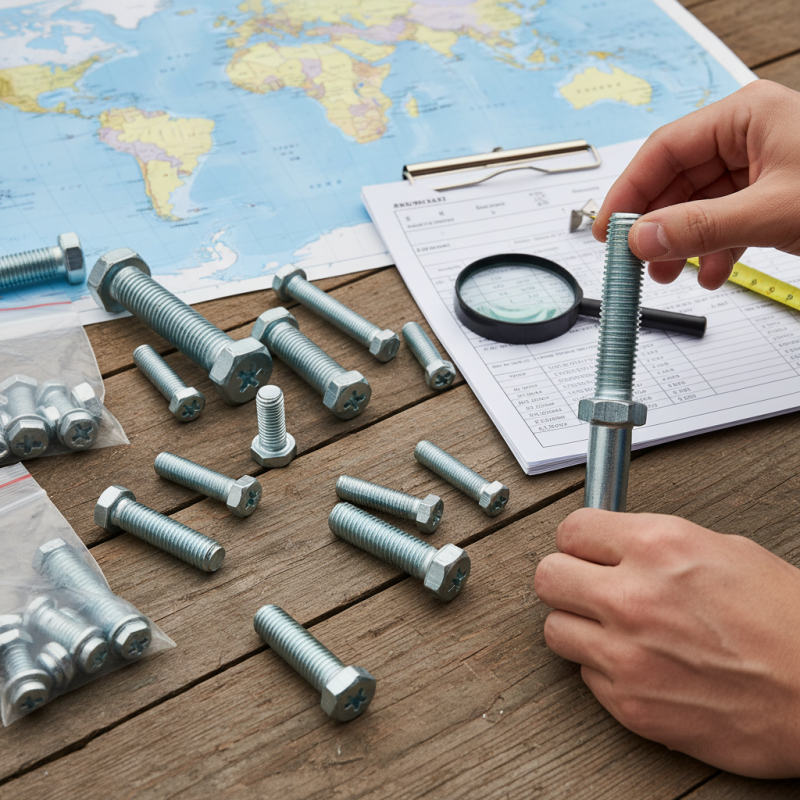
Understanding Carriage Bolts: Specifications and Standards
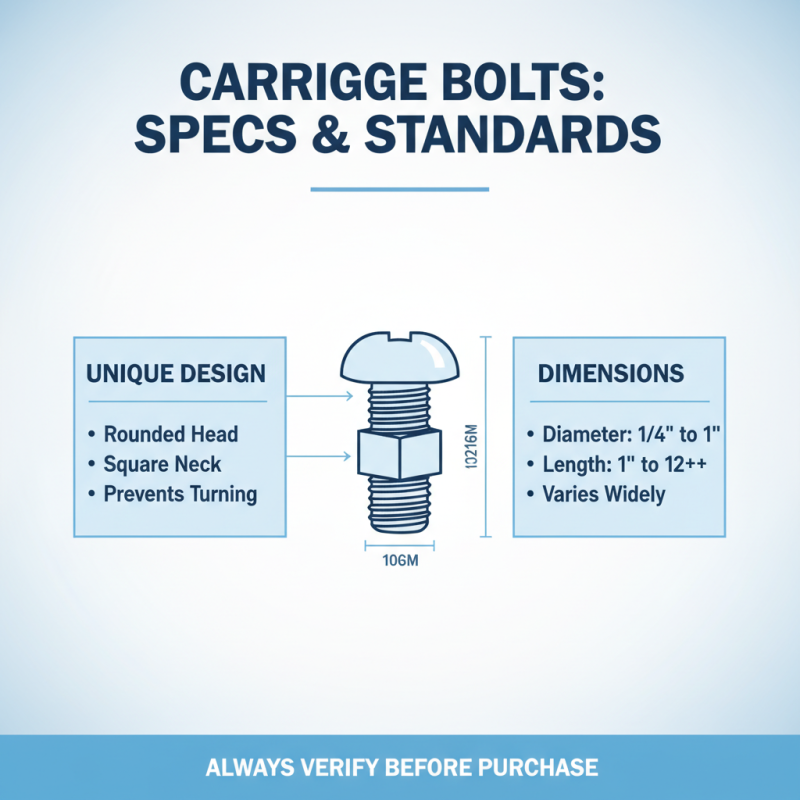
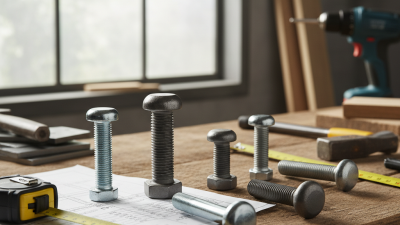
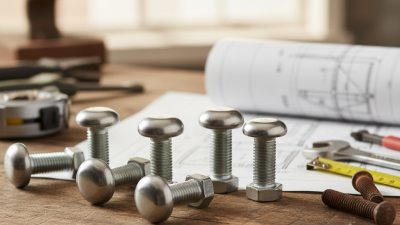
Carriage bolts are essential fasteners used in various applications. Understanding their specifications is crucial. These bolts feature a rounded head and a square neck. This design prevents them from turning during installation. Their length and diameter vary widely, catering to different needs. Generally, these bolts range from 1/4 inch to 1 inch in diameter. The length can extend from 1 inch to 12 inches or more. Buyers should always verify these dimensions before purchasing.
Standards for carriage bolts are critical to ensuring quality and compatibility. ASTM A307 is a widely recognized standard in the United States. It outlines the mechanical properties required for these fasteners. Other standards may include ISO and DIN specifications. Such guidelines offer essential information on material strength and coating options. Common materials include carbon steel and stainless steel, with coatings available for rust resistance. However, not all manufacturers adhere to these standards, which may lead to inconsistency in quality. This inconsistency can be a significant concern when sourcing globally.
In addition to specifications, buyers should consider the supplier’s reputation. It's advisable to check reviews and request samples, if possible. Don’t overlook the importance of packaging and shipping methods. Improper handling can lead to damaged products. Transparency in communication with suppliers is vital. Clear inquiries can mitigate misunderstandings. Yet, relying solely on price can be a mistake. Sometimes, a higher price reflects better quality. Exploring these elements can enhance the buying experience.
Key Materials Used in Carriage Bolt Manufacturing and Their Benefits
Carriage bolts are essential fasteners used in various applications. Their effectiveness largely depends on the materials used in their manufacturing. Typically, these bolts are made from steel, stainless steel, and sometimes even plastic. Each material presents unique benefits tailored to specific needs.
Steel carriage bolts are the most common choice. They offer high strength and durability, making them ideal for heavy-duty applications. However, they can corrode over time if exposed to moisture. Stainless steel provides increased resistance to rust, making it suitable for outdoor projects. Yet, it tends to be more expensive and may not be necessary for all applications.
Plastic carriage bolts, while less common, have their own advantages. They are lightweight and resistant to corrosion, making them perfect for unique environments. However, their lower tensile strength means they aren't suitable for high-stress applications. Buyers should consider these material characteristics carefully to ensure they meet their specific requirements. The journey to selecting the right carriage bolt may involve some trial and error.
Market Trends: Global Demand for Carriage Bolts in Various Industries
The global market for carriage bolts is expanding rapidly, driven by demand from various industries. In 2022, the market size for carriage bolts reached approximately $1.5 billion. This figure is projected to grow by over 5% annually through 2030, according to industry reports. Construction and manufacturing sectors are the primary consumers, making up around 60% of total demand.
Growth in the construction industry plays a vital role in this trend. As infrastructure projects increase, the need for durable fastening solutions rises too. Reports indicate that Asia-Pacific is the leading region for carriage bolt consumption. China alone accounts for nearly 30% of the market share, highlighting its importance. Additionally, the rise of renewable energy projects has further boosted the demand for high-quality carriage bolts.
However, challenges exist. Quality inconsistency among suppliers can lead to reliability issues. Inadequate sourcing practices may affect project timelines and safety. For global buyers, ensuring that suppliers adhere to rigorous quality standards is crucial. Engaging in thorough supplier evaluation can mitigate such risks. As the market evolves, focusing on sustainable and innovative solutions becomes increasingly important.
Pricing Strategies: Factors Affecting Carriage Bolt Costs Worldwide
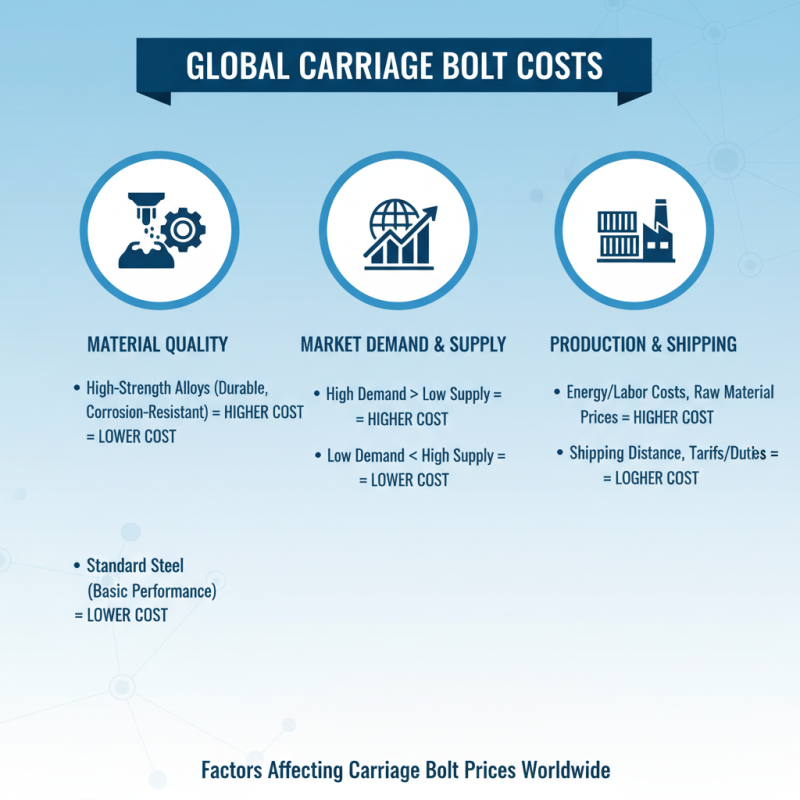
When considering the cost of carriage bolts globally, several key factors come into play. Material quality is paramount. The type of steel or alloy significantly influences the price. High-strength alloys generally cost more due to their durability and resistance to corrosion. Conversely, standard steel bolts might be cheaper, but they can compromise on performance.
Transportation costs also affect pricing. Shipping fees vary across regions, impacting the final price for buyers. Always consider logistics when purchasing in bulk. Import duties and tariffs may also add unexpected costs, so factor those into your budget.
Tips: Research local suppliers. They often offer competitive pricing due to reduced shipping costs. Engage in bulk buying to negotiate better deals. Investigate if there are seasonal sales or discounts that could benefit your purchasing strategy. Ultimately, understanding these factors can help buyers secure the best value for their investment.
Quality Assurance: Certification and Testing for Carriage Bolt Durability
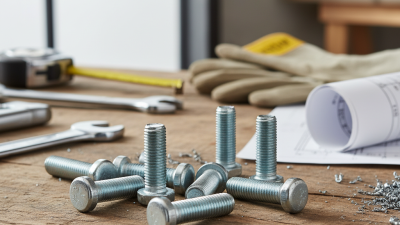
When selecting carriage bolts, durability is crucial. Quality assurance plays a vital role. Certification ensures that these fasteners meet industry standards. Reports indicate that roughly 60% of structural failures are linked to inadequate fastener quality. This highlights the importance of proper testing.
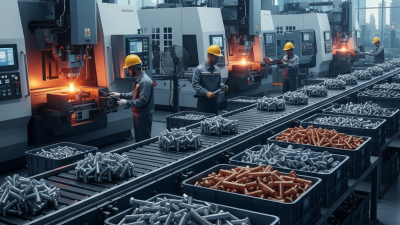
Manufacturers often undergo rigorous testing protocols. These include tensile strength, corrosion resistance, and impact tests. According to industry data, bolts with higher tensile strength significantly reduce failure rates. Buyers should seek bolts with recognized certifications, like ASTM or ISO. Without these certifications, the reliability of the products could be questionable.
However, not all products pass quality checks. Some manufacturers cut corners, leading to sub-par performance. A recent analysis found that nearly 15% of fasteners failed standard tests for durability. This raises concerns about the integrity of certain suppliers. Responsible buyers must prioritize suppliers who demonstrate a commitment to quality through transparent testing processes.