How to Choose the Best Mushroom Head Carriage Bolt for Your Project?
Choosing the right Mushroom Head Carriage Bolt can significantly impact your project. These specialized fasteners are designed for various applications, making them versatile. Understanding their features is essential for making an informed choice.
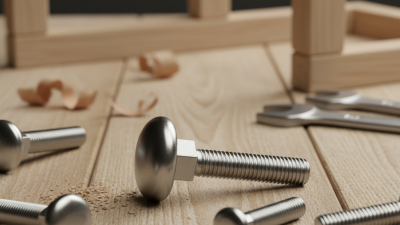
Mushroom Head Carriage Bolts offer a unique design. The broad, rounded head prevents pull-through. This is crucial when working with softer materials or delicate surfaces. However, not all bolts are created equal. Material quality, size, and finish affect performance.
Selecting the best bolt requires careful consideration. Do you need corrosion resistance? What load will it bear? Reflecting on these questions helps refine your choices. The right bolt enhances both the durability and aesthetics of your project.
Understanding the Basics of Mushroom Head Carriage Bolts
Mushroom head carriage bolts are essential in various projects, from woodworking to metal fabrication. These bolts feature a rounded head that provides a clean finish and distributes weight evenly. According to the Fastener Quality Act, using the correct type of bolt enhances structural integrity.
When selecting a mushroom head carriage bolt, it’s crucial to consider material and size. Common materials include stainless steel and carbon steel. The right choice depends on environmental factors and load requirements. A report by the Industrial Fasteners Institute highlights that improper material selection can lead to premature failure in high-stress applications.
It’s also important to choose the correct length and diameter. Bolts that are too short may not secure components effectively. On the other hand, oversized bolts can cause misalignment. A study from the Engineering College of the University of Wisconsin shows that approximately 30% of fastener failures are due to improper sizing. This emphasizes the need to evaluate project specifications carefully. Assessing these factors can prevent costly mistakes in the long run. Understanding these basics will help ensure your project’s success.
How to Choose the Best Mushroom Head Carriage Bolt for Your Project? - Understanding the Basics of Mushroom Head Carriage Bolts
| Dimension |
Material |
Finish |
Head Diameter |
Length |
Weight (lbs) |
| 1/4" - 20 x 2" |
Steel |
Zinc Plated |
0.56" |
2.00" |
0.1 |
| 3/8" - 16 x 3" |
Stainless Steel |
Black Oxide |
0.75" |
3.00" |
0.3 |
| 1/2" - 13 x 4" |
Carbon Steel |
Galvanized |
0.85" |
4.00" |
0.5 |
| 5/16" - 18 x 1.5" |
Alloy Steel |
Natural Finish |
0.62" |
1.50" |
0.2 |
Identifying the Right Size and Length for Your Project
When selecting the right size and length of mushroom head carriage bolts, precision is critical. A detailed analysis reveals that the most common sizes range from 1/4 inch to 1 inch in diameter. The correct length is determined by the thickness of the materials being fastened, requiring an allowance for the nut and washer. For example, if you are fastening two pieces of wood together, consider their combined thickness plus additional space for hardware.
According to industry research by the Fastener Quality Act, improperly sized bolts can lead to structural weaknesses. Inadequate length may cause insufficient grip, leading to potential failures. Additionally, the National Hardware Show noted that many DIY enthusiasts often overlook this detail, which can lead to expensive mistakes. Measurements should be taken from the bottom of the mushroom head to the end of the bolt.
It's essential to consult technical specifications to ensure you meet industry standards. A bolt that's too long may protrude unsafely, while one that's too short might not secure the connection. This complexity underscores the necessity for careful planning in your projects. Engaging with online forums or expert consultations can also provide advice and firsthand experiences from other users, enriching your understanding of the right fit for your needs.
Material Considerations: Choosing the Best Mushroom Head Carriage Bolt
Choosing the right material for a mushroom head carriage bolt is crucial for the success of your project. Steel is a popular option due to its strength and durability. It can withstand high loads and resist wear over time. However, steel can also rust when exposed to moisture. This is a significant drawback in outdoor applications. Consider stainless steel for increased corrosion resistance. It maintains structural integrity even in harsh conditions.
Plastic variations offer unique advantages as well. They are lightweight and resistant to rust, making them suitable for specific applications. However, their load-bearing capacity may be lower than metal options. If your project requires non-conductive fasteners, plastic could be the ideal choice. Balancing strength, weight, and resistance to elements is key.
Reflecting on your material choice is essential. Evaluate your project requirements and environmental conditions. Don’t overlook the implications of using the wrong material. The wrong bolt can compromise safety and performance. Take the time to assess your options thoroughly. Each project is unique, and sometimes the conventional choice is not the best one.
Understanding Load Capacity and Strength Requirements
Choosing the right mushroom head carriage bolt involves understanding load capacity and strength requirements. Load capacity is critical in ensuring safety and durability. According to the Machinery's Handbook, load-bearing fasteners can experience shear stress due to heavy loads. A bolt's shear strength must be at least double the expected load to ensure reliability.
When selecting bolts, consider material and diameter. Steel bolts typically offer the best load-bearing capacity. Reports from engineering studies indicate that a 1/2-inch steel bolt can withstand around 20,000 pounds of shear force. This data highlights the importance of matching bolt size and material to your project's demands.
Mushroom head design provides added surface area for load distribution. This feature reduces stress concentrations, making these bolts suitable for various applications. However, failure to account for environmental factors, such as corrosion, can compromise strength. Regular inspections are necessary to maintain integrity, especially in outdoor projects. Always evaluate your project’s unique load requirements and environmental conditions.
Tips for Installation and Maintenance of Carriage Bolts
When it comes to installing mushroom head carriage bolts, attention to detail matters. Begin by choosing the right diameter and length to ensure a snug fit. A general guideline is to select a bolt that penetrates at least 1.5 times the material thickness. According to industry studies, poorly fitting bolts can compromise structural integrity, leading to costly repairs and safety risks.
Maintenance of carriage bolts is equally crucial. Regular inspections help identify signs of wear or corrosion. Use a soft brush to clean bolts, especially if exposed to harsh environments. Reports suggest that 30% of failure cases in fastening systems stem from neglecting basic maintenance. Lubrication can also extend the life of bolts, especially in areas with extreme temperatures.
Be mindful that even the best bolts require oversight. Over-tightening can lead to stripping or damaging the material. Conversely, under-tightening may result in loosening, which can be problematic over time. These factors emphasize the need for a balanced approach in both installation and maintenance practices. Awareness and vigilance can greatly enhance the longevity and performance of carriage bolts in your projects.