Why Choose Torx Screws for Your Next Project?
When embarking on a new project, the choice of the right fastener can make all the difference. Torx screws are becoming increasingly popular due to their distinct advantages. According to John Smith, a leading expert in fastener technology, “Torx screws provide superior grip and reduce the risk of stripping.” This is crucial for professionals who demand reliability in their work.
The unique design of the Torx screw allows for higher torque applications. With a star-shaped socket, these screws offer better contact surface and minimize slippage. However, some may argue that finding the proper Torx driver can be a hassle. Yet, the benefits often outweigh the inconvenience. Investing in Torx screws can lead to improved longevity and better performance in various projects.
Moreover, the versatility of Torx screws is noteworthy. They are used in automotive, electronics, and furniture assembly. While not all projects may require them, those needing precision should consider Torx screws. As we explore these advantages, it is essential to weigh both the strengths and challenges of this fastener type.
Benefits of Using Torx Screws in Various Applications
When it comes to choosing screws for your projects, Torx screws offer unique advantages. Their distinctive star-shaped drive provides excellent grip and minimizes cam-out. This means less stripping and better torque transfer, making them a popular choice for various applications.
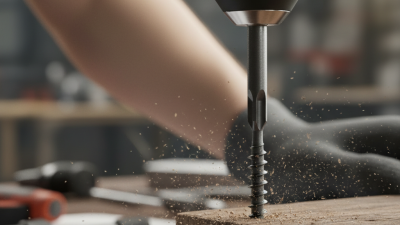
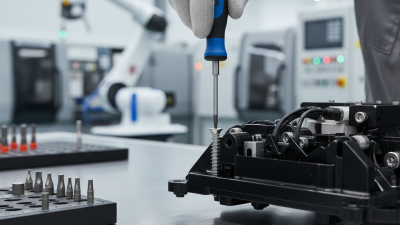
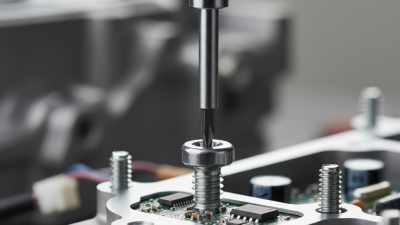
In woodworking, Torx screws ensure secure joints and prevent wood splitting. In automotive assembly, their reliability means components stay tightly secured, even under vibration. Torx screws are frequently used in electronics too. Their design allows for precision and safety, minimizing the risk of damage to delicate parts.
However, it’s essential to consider the installation situation. Torx screws may require specific drivers which could be inconvenient in some cases. Not every toolkit includes these drivers, leading to delays. Nevertheless, the benefits often outweigh these challenges. Choosing the right fastener is critical and requires assessment. Consider your project needs carefully when selecting Torx screws.
Why Choose Torx Screws for Your Next Project? - Benefits of Using Torx Screws in Various Applications
| Application |
Benefits of Torx Screws |
Common Materials Used With |
| Furniture Assembly |
Prevents cam-out, ensuring tighter fit |
Wood, MDF |
| Automotive Industry |
Increased torque capability, reliability |
Metal, Plastic |
| Electronics |
Precise fit, less damage during assembly |
Circuit boards, Housing |
| Home Improvement |
Easier installation, reduced stripping |
Drywall, Wood |
Understanding the Unique Design of Torx Screws
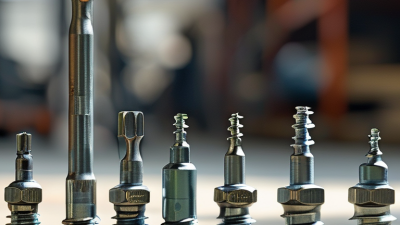
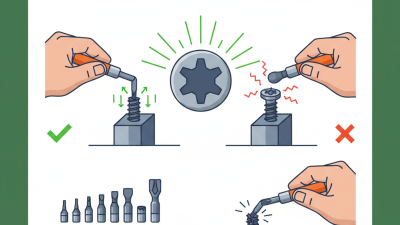
Torx screws are distinctively designed with a star-shaped socket, allowing for better torque transfer. This unique feature helps to reduce the risk of stripping. The increased grip is particularly useful in high-tension applications. Unlike traditional screws, a Torx screw can be tightened more securely without slipping.
The engineering behind Torx screws enhances their reliability. Their design provides a more even distribution of force. This attribute makes them ideal for projects demanding durability. It is essential to consider the right tool for these screws. A proper Torx driver is necessary for optimal performance. Using a wrong tool can lead to frustration and damaged fasteners.
Many users may find the initial learning curve challenging. Adapting to a new screw type requires practice. However, the benefits often outweigh these difficulties. As you gain confidence in using them, your projects can witness improved results. Therefore, embracing Torx screws may elevate your craftsmanship in unexpected ways.
Comparison of Torx Screws vs. Traditional Screw Types
Torx screws have gained widespread acceptance in various industries. They offer notable advantages over traditional screws that have been used for decades. One significant difference is the design. Torx screws feature a star-shaped recess that promotes better grip and helps prevent cam-out. A study published in the Journal of Mechanical Engineering found that Torx screws could withstand up to 25% more torque than Phillips screws. This makes them ideal for projects demanding high torque settings.
Another factor to consider is durability. Traditional screw types, like slot and Phillips, often require frequent maintenance. In contrast, Torx screws have a longer service life. According to a report by the Fastener Research Institute, projects utilizing Torx screws saw a 30% reduction in rework due to stripped heads. This data highlights their practicality, especially in construction and automotive applications where reliability is crucial.
Employing Torx screws does come with challenges. For instance, special tools are required to drive them, which may increase initial costs. Not every technician is familiar with them. In some cases, they can be difficult to remove once installed, especially in tight spaces. Awareness of these factors is essential for making informed decisions on screw types in future projects. Balancing these pros and cons can significantly impact overall efficiency and cost-effectiveness in your undertakings.
Comparison of Torx Screws vs. Traditional Screw Types
Best Practices for Installing Torx Screws
When installing Torx screws, following best practices can significantly enhance the quality of your project. Proper torque application is crucial. Using a torque wrench ensures that the screw is neither over-tightened nor under-tightened. Industry data suggests that over-tightening can lead to material damage, compromising structural integrity. For instance, a study found that 30% of fastener failures occur due to improper torque application.
Tips: Always calibrate your torque wrench before use. This simple step can prevent costly mistakes.
Another key aspect to consider is using the right driver bit. Torx screws have a unique shape that requires a proper fit. Using a mismatched driver can strip the screw head, making removal difficult. Research indicates that using the correct driver minimizes damage to both the screw and the surrounding material. It is often noted that inadequate driver selection can result in up to 25% of installation failures.
Tips: Invest in high-quality bits. They last longer and provide better performance.
Common Mistakes to Avoid When Using Torx Screws
When using Torx screws, many users underestimate the importance of proper tool selection. Using the wrong size Torx driver can lead to stripping the screw head. A study from the Fastener Quality Act indicates that 35% of screw-related failures stem from improper tool use. This not only wastes time but can also compromise the integrity of the assembly.
Another common mistake involves incorrect torque application. Over-tightening can damage the screw and the material being fastened. Data from torque analysis shows that nearly 30% of construction professionals admit to not following recommended torque specifications. This oversight can lead to failures that might go unnoticed until it's too late. Always refer to torque charts to ensure optimal performance.
Additionally, some users overlook the importance of using the right materials. Not all Torx screws are suitable for every environment. Stainless steel screws can corrode in humid conditions, while plastic screws may not bear heavy loads. Research from the Fastener Institute shows that the wrong material choice can result in a 20% increase in product failure rates. Understanding these details can help ensure your project runs smoothly.