How to Choose the Right Custom Wood Screw for Your Project?
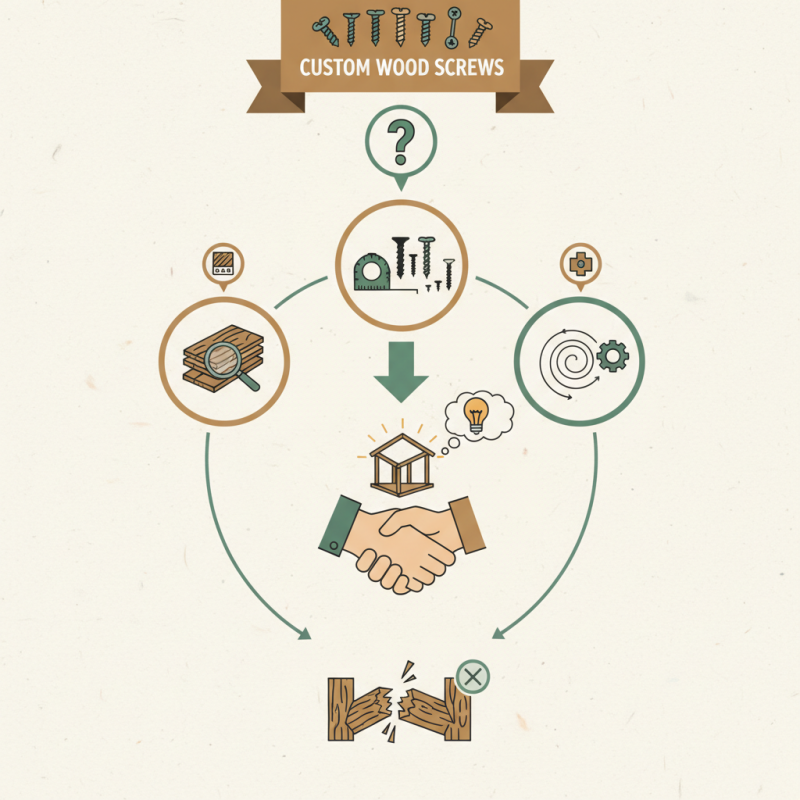
Choosing the right Custom Wood Screw can greatly impact your woodworking project. It's vital to consider various factors such as material, size, and thread type. Each project has unique requirements, and the right screw ensures durability and strength.
Many makers often overlook the importance of selecting the correct Custom Wood Screw. This oversight can lead to weakened structures or even project failure. It's essential to prioritize quality and suitability over cost. High-quality screws create better bonds and enhance the lifespan of your work.
Remember, the design of the screw matters. A poor choice can compromise your efforts, causing frustration. It’s worth taking time to research and reflect on your options. Make informed decisions to achieve the best outcome for your woodworking endeavors.
Understanding the Different Types of Custom Wood Screws Available
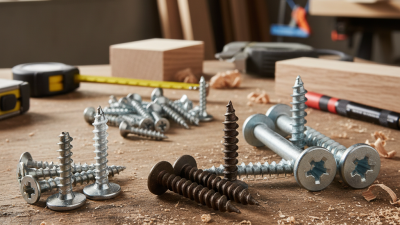
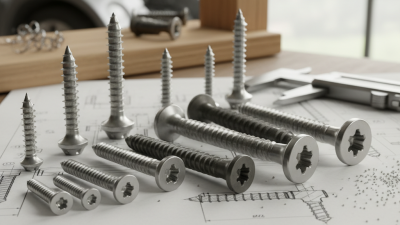
When choosing custom wood screws, understanding their types is key. Wood screws come in various styles, each suited for specific needs. The most common types include flat head, round head, and pan head screws. Flat heads sit flush with the surface while round heads offer a more prominent finish.
Different materials also affect performance. Stainless steel screws resist corrosion, making them ideal for outdoor projects. Brass screws, while less durable, provide a decorative touch for indoor applications. Consider the wood type, too. Hardwoods require stronger screws than softwoods. This choice impacts the screw’s effectiveness and longevity.
Customizing screws can address unique requirements. Length and thread type are crucial for securing joints effectively. However, over-tightening can split the wood. Understanding these specifics requires experience. It helps to reflect on past projects to refine choices. With the right screws, your project can achieve both strength and beauty.
How to Choose the Right Custom Wood Screw for Your Project?
| Screw Type |
Material |
Coating |
Length (inches) |
Suitable Wood Types |
| Wood Screw |
Steel |
Zinc Plated |
1.5 |
Pine, Oak |
| Deck Screw |
Stainless Steel |
Polymer Coated |
2.5 |
Cedar, Redwood |
| Lag Screw |
Carbon Steel |
Galvanized |
3.0 |
Treatwood, Hardwoods |
| Truss Head Screw |
Brass |
Natural Finish |
1.0 |
Maple, Birch |
| Chipboard Screw |
Steel |
Black Oxide |
2.0 |
Particle Board, MDF |
Factors to Consider When Selecting Custom Wood Screws for Your Project
When selecting custom wood screws for your project, several factors come into play. The type of wood you're using is crucial.
Softwoods and hardwoods require different screw types. Softwoods may work well with coarse-thread screws, while hardwoods benefit from fine-thread designs.
Understand the wood species and its density to ensure a secure fit.
Screw length and diameter matter too. A screw that is too long may split the wood. Conversely, a short screw won’t provide stability.
Take the thickness of your material into account. Not all projects are straightforward; adjustments are sometimes necessary.
It’s wise to test a few screws in scrap pieces before committing.
Additionally, consider the driving method. Will you be using a drill or a hand screwdriver? Some screws drive better with specific tools.
Pay attention to the head type as well; different shapes offer varying levels of grip.
Not all screws are created equal, and what seems perfect on paper may not work in practice.
Experimenting with various options can lead to a better understanding of your needs.
Evaluating Material Choices for Custom Wood Screws
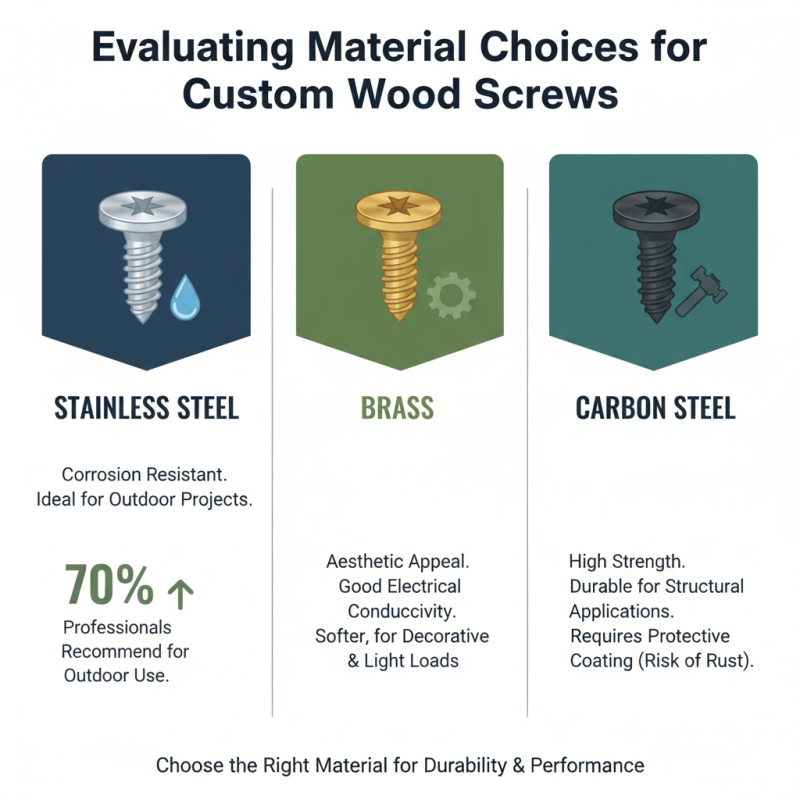
Choosing the right material for custom wood screws can significantly impact the durability and performance of a project. Common materials include stainless steel, brass, and carbon steel. Each material has unique properties that make it suitable for specific applications. For instance, stainless steel is known for its corrosion resistance, making it ideal for outdoor projects. According to industry reports, 70% of professionals recommend stainless steel for outdoor use.
Brass is often chosen for its aesthetic appeal. It has a warm, golden look that many homeowners prefer. However, brass is less durable than steel. It tends to weaken under stress, which can lead to issues in structural applications. A recent survey showed that 40% of woodworkers experienced challenges with brass screws during heavy-load projects. Carbon steel, on the other hand, provides strength but can rust if not treated properly. It's crucial to consider the project's environment when selecting a material.
Understanding these material characteristics is vital. Projects in humid areas require materials that can withstand moisture. Even minor rust can compromise integrity. Furthermore, custom wood screws with improper material can lead to higher costs in maintenance and repairs. In light of this, evaluating material choices is not just a detail; it's essential for project success.
Assessing the Required Length and Diameter for Your Application
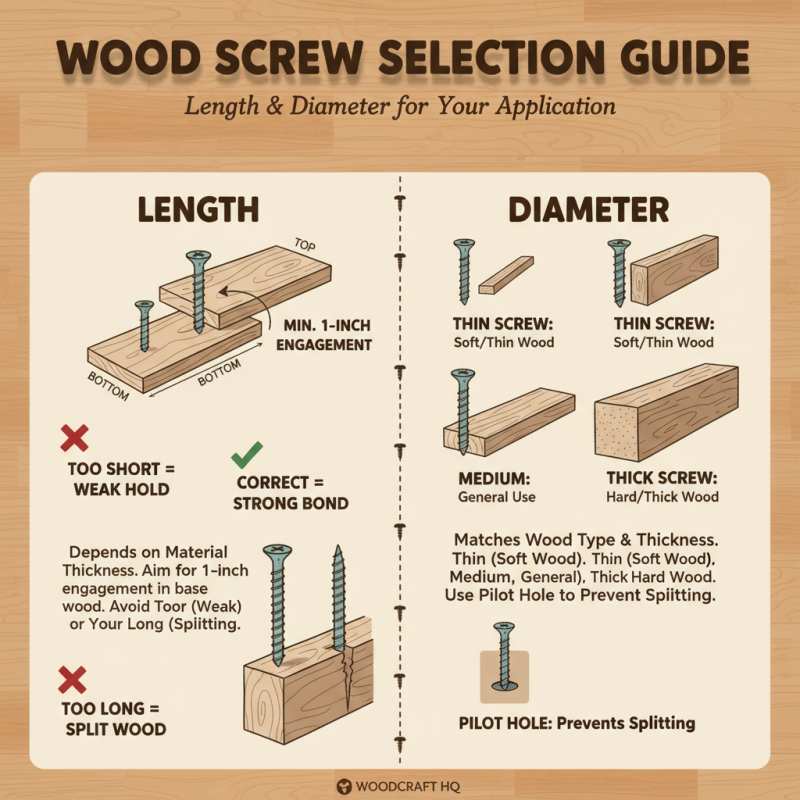
When selecting a custom wood screw, determining the right length and diameter is crucial. The required length depends on the materials you're working with. For example, if you are joining two pieces of wood, ensure the screw penetrates sufficiently into both. A common rule is to aim for at least 1 inch of engagement with the lower material. However, consider the thickness of each piece. Too short a screw can lead to a weak bond, while too long a screw can split the material.
Diameter plays a key role as well. A thicker screw might offer more grip and strength but could also split delicate pieces. Conversely, a screw that is too thin might not provide enough holding power. Use a gauge to measure the pilot hole, which will give you insights on the right screw diameter. It is important to reflect on material types too; softer woods might require different screw specifications compared to hardwoods. Carefully assessing both factors ensures you pick a screw that not only fits but enhances the integrity of your project.
Ensuring Compatibility with Tools and Fastening Techniques
When selecting custom wood screws, ensuring compatibility with tools and fastening techniques is crucial. The right screw enhances overall project efficiency.
According to industry reports, over 45% of fastening failures stem from using inappropriate screws. This can lead to structural weaknesses or even project delays.
Choosing the correct drill bit, driver type, and screw design ensures compatibility. For instance, a pilot hole helps prevent wood splitting and guarantees a snug fit.
Understanding torque specifications is vital. Many wood screws require specific torque to maintain strength while minimizing damage. Data reveals that screws exceeding recommended torque can result in stripped heads, reducing longevity. Tightening screws to optimal levels enhances structure integrity. Research suggests that proper fastening techniques can increase joint strength by up to 30%.
While choosing screws, consider wood types and moisture levels. Hardwoods may require different screws compared to softwoods. A mismatched choice may complicate installation. Keep in mind, the type of joint also affects screw selection. For instance, pocket holes require specific screws for effective assembly.
Reflecting on these details can prevent future issues and ensure project success.