How to Choose the Best Countersunk Head Bolt for Your Project?
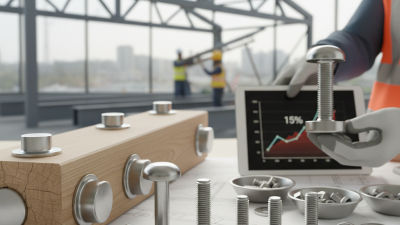
Choosing the right countersunk head bolt is essential for the success of your project. "A countersunk head bolt offers a clean finish, making it ideal for applications where aesthetics matter," says John Smith, a trusted expert in fastener technology. This type of bolt is designed to sit flush with the surface, preventing snagging or interference.
When selecting a countersunk head bolt, consider the material, thread type, and load requirements. Different materials, like steel or stainless steel, suit various environments and functions. Additionally, understand how the bolts interact with your other components. Each detail matters, and overlooking them can lead to potential failure.
Ultimately, understanding your project needs and making informed choices is crucial. It’s not just about purchasing a countersunk head bolt; it’s about ensuring the integrity and longevity of your work. Doing so can significantly affect your project's outcome. Reflect on the potential drawbacks and limitations of your choices. Choose wisely for a successful result.
Understanding Countersunk Head Bolts and Their Advantages
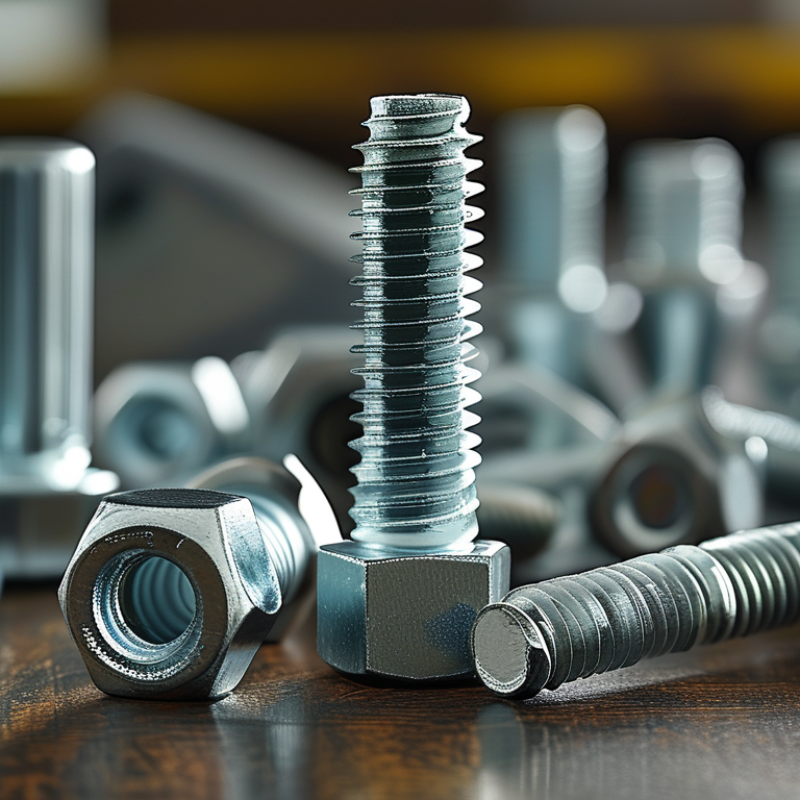
Countersunk head bolts are essential in various projects due to their unique design. These bolts allow for a flush finish, which can enhance both aesthetics and functionality. When the head of the bolt sits below the surface of the material, it reduces the risk of snagging. This feature is particularly useful in applications where smooth surfaces are critical, like furniture or precision machinery.
The advantages of countersunk head bolts extend beyond appearances. They provide a more secure connection, as the countersink creates better load distribution. This can enhance the overall stability of assembled components. However, selecting the right size and material is vital. Using the wrong type could lead to structural failure. It’s essential to assess the specific needs of your project carefully. Poor choices here can result in unforeseen repairs or compromised safety.
While countersunk head bolts offer numerous benefits, not all projects require them. In situations where increased visibility of hardware is acceptable, alternative options may be more suitable. Considering the balance between aesthetics and functionality will always be necessary. It invites reflection on whether the beauty of the finish outweighs the potential limitations in strength or accessibility during installation.
Identifying the Right Material for Your Countersunk Bolts
When selecting the correct material for countersunk head bolts, it's essential to consider specific project requirements. Different metals offer varying strength, corrosion resistance, and weight. For example, carbon steel bolts are popular due to their tensile strength, making them suitable for heavy-duty applications. Yet, they may not perform well in humid or corrosive environments. A 2022 report from the Fastener Institute noted that 40% of failures are linked to material selection.
Stainless steel is another common option, prized for its excellent corrosion resistance and longevity. This choice is particularly effective in marine or outdoor projects. However, stainless steel may be more expensive than its carbon counterpart. Statistics indicate that 30% of engineers cite material cost as a significant factor in their decision-making process. Using aluminum bolts can lighten the load and enhance aesthetic appeal but sacrifices strength. This trade-off makes it crucial to assess the required load-bearing capacity before settling on aluminum.
The decision doesn’t end at just choosing between materials. It also involves assessing the coating or finish. Proper coatings can enhance durability and aesthetics. Nonetheless, over-reliance on coatings can sometimes mask underlying material weaknesses. As the industry evolves, engineers must remain vigilant in material analysis to prevent project failures.
How to Choose the Best Countersunk Head Bolt for Your Project? - Identifying the Right Material for Your Countersunk Bolts
| Material Type |
Corrosion Resistance |
Tensile Strength (psi) |
Common Applications |
Cost (per 100 pcs) |
| Stainless Steel |
Excellent |
70,000 |
Marine, Food Processing |
$45 |
| Carbon Steel |
Moderate |
60,000 |
Construction, General Use |
$30 |
| Alloy Steel |
Good |
100,000 |
Automotive, Aerospace |
$50 |
| Brass |
Good |
50,000 |
Electrical, Plumbing |
$70 |
| Plastic |
Limited |
20,000 |
Lightweight Applications |
$15 |
Determining Size and Length Requirements for Your Project
When selecting a countersunk head bolt, determining the appropriate size and length is crucial. The diameter impacts strength and load. For instance, a study by the Fastener Quality Act estimates that improperly sized fasteners can reduce the reliability of a project by up to 30%. Accurate measurement ensures that the bolt will fit the designated countersink and provide adequate surface flushness.
Length matters just as much. A bolt that’s too short may not hold materials together securely, leading to structural failure. Conversely, a bolt that's excessively long can cause complications, like interference with other components. According to the American Institute of Steel Construction, the optimal length should allow for at least one thread’s worth of engagement in the nut or tapped hole.
Evaluate your project requirements carefully. If in doubt about size, consult fastener guidelines or industry standards. Consider testing a few sizes before committing to a bulk order. Check if the chosen bolt meets established metrics for safety and performance. Accurate sizing doesn’t just enhance aesthetics but significantly contributes to project longevity and reliability.
Assessing Load Capacity and Strength Criteria
When selecting a countersunk head bolt, load capacity and strength criteria are paramount. The right bolt can significantly impact the overall success of your project. For instance, consider the material of the bolt. Steel and stainless steel offer high tensile strength, making them suitable for heavy loads. However, aluminum bolts, while lighter, may not support the same weight.
Evaluating the load application is also crucial. Will the bolt face static or dynamic loads? Static loads require different considerations than dynamic ones, which might include shocks or vibrations. Pay attention to the threading of the bolt. Fine threads can handle better tension but may not handle shearing forces well.
Additionally, it's essential to account for the environment. Corrosive environments demand materials that resist rust and degradation. A thorough assessment can unveil potential weaknesses and guide your choice. Always think twice about the specifications before making a decision. Understanding load ratings and safety factors can help ensure long-lasting performance and mitigate any risks.
Choosing the Appropriate Coating and Finish for Durability
Choosing the right coating and finish for countersunk head bolts is critical. A durable finish can directly influence the longevity and performance of your project. Consider environmental factors like humidity and temperature when selecting coatings. For example, zinc plating offers some resistance to corrosion in less harsh environments. Yet, it may not be suitable for coastal areas where saltwater exposure is high.
Another option to consider is stainless steel bolts. They come with inherent corrosion resistance due to their alloy composition. However, the finish can still impact their overall durability. Polished surfaces might look appealing, but they can be more prone to scratches and wear. An unpolished, matte finish could offer more resistance to physical damage over time. Think about how your projects will be used. Reflecting on past experiences with different finishes can guide your decision.
Remember, not every project requires the highest grade of finish. Sometimes, a standard coating may suffice, especially for less visible applications. It’s beneficial to reassess the specific needs of your project before jumping into the highest-cost options available. Balancing aesthetics with practicality will yield the best results in the long run.
Durability of Different Coatings for Countersunk Head Bolts