How to Choose the Right Mushroom Head Screw for Your Project?
Choosing the right Mushroom Head Screw can significantly impact your project’s success. According to Maria Johnson, a leading expert in fasteners, “The right screw can make all the difference in durability and aesthetics.” Her insights emphasize the importance of making informed decisions in selecting hardware.
Mushroom Head Screws come in various materials, sizes, and finishes. Picking the best one requires understanding your project’s specific needs. For instance, wood applications may need different screws compared to metal. It’s essential to consider the environment as well. Will the screws be exposed to moisture? Corrosion-resistant options are crucial in these cases.
While researching, many overlook the details that matter. Not every mushroom head fits every application. Sometimes, the wrong choice can lead to failures. A deep understanding of specifications can prevent costly mistakes. Engagement with an expert, like Maria, can clarify these concerns and ensure a project runs smoothly.
Understanding the Basics of Mushroom Head Screws
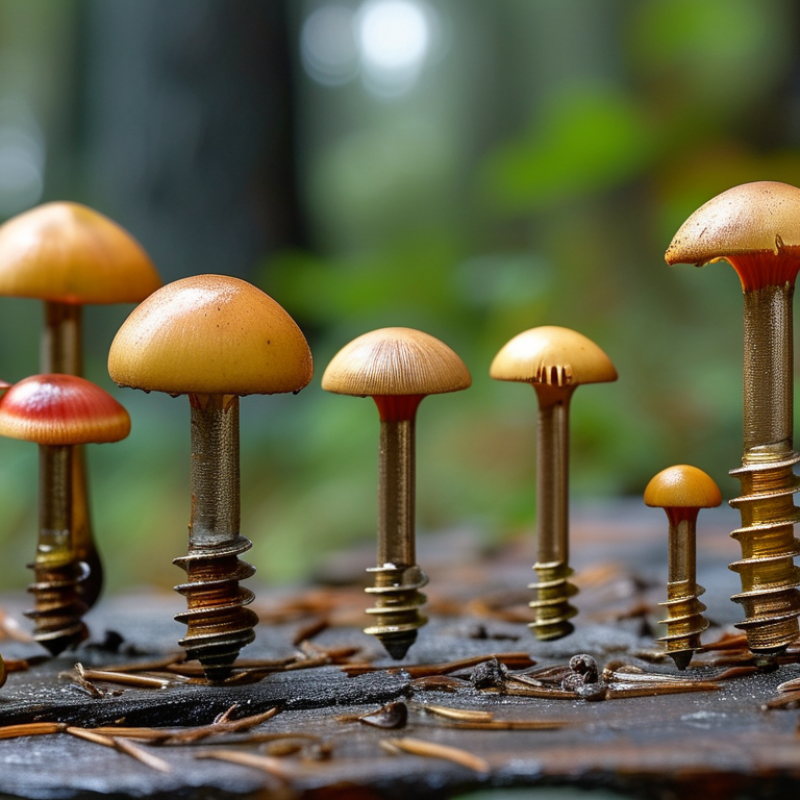
Mushroom head screws are versatile fasteners used in various projects. Their unique design features a rounded head, providing a larger surface area for better grip. Understanding their basics helps you choose the right type for your needs.
When selecting mushroom head screws, consider the material. Common options include stainless steel and zinc-coated variants. Stainless steel offers corrosion resistance, ideal for outdoor projects. On the other hand, zinc-coated screws are cost-effective but less durable.
**Tip:** Always check the load-bearing capacity. This ensures the screw can handle the weight without failure.
Another important aspect is the screw length. Too short can lead to weak connections, while too long may damage materials. Measure carefully to avoid these pitfalls.
**Tip:** Test a few screws on sample materials to see how they perform. This will help you make informed decisions about your final choices. Remember, even minor oversights in your selection process can lead to significant issues later.
Identifying the Right Material for Your Mushroom Head Screws
Choosing the right material for mushroom head screws is crucial for any project.
Different materials offer varied properties that can impact the durability and performance of the screws.
Stainless steel is popular due to its corrosion resistance and strength.
However, it can be pricier than other options. If cost is a concern, consider carbon steel, which is strong but may require a protective coating to prevent rust.
Plastic mushroom head screws are another alternative. They are lightweight and resistant to corrosion.
These screws work well in environments where metal might corrode. However, they may lack the strength needed for heavy-duty applications.
Understanding the specific requirements of your project helps in making the best choice, ensuring longevity and reliability.
In some cases, the decision might feel overwhelming. You need to consider the environment where the screws will be used.
For indoor projects, nearly any material may suffice. Outdoor settings require more durable options.
Take time to reflect on your needs. Analyze every detail before deciding. This ensures you select the right material for your mushroom head screws.
Evaluating Size and Dimensions for Project Requirements
When selecting mushroom head screws, size and dimensions are crucial. The diameter and length should match your project requirements. A screw that is too long may cause damage, while one that is too short will not secure items effectively.
Tip: Measure the thickness of the materials you intend to join. This will help choose the correct length. Also, consider the head diameter. A wider head provides better load distribution, preventing pull-through.
Don’t forget about the material of the screw. This affects strength and corrosion resistance. For example, stainless steel works well in moist environments. However, if you use the wrong finish, it could rust and weaken over time.
Tip: If unsure, start with a few samples. Testing can save you from making costly mistakes. Pay attention to how well the screw fits and holds materials together. Use trial and error to refine your choices. This can lead to better decisions in future projects.
Selecting the Appropriate Thread Type for Optimal Performance
Selecting the right thread type for mushroom head screws is crucial. It impacts torque, grip, and overall stability. Coarse threads are common. They offer quick assembly and are suitable for softer materials. But they may not provide the strongest hold in all situations.
Fine threads, on the other hand, deliver better tension. They resist stripping and are ideal for hard materials. However, they require precise alignment during installation. If the fit isn’t perfect, the connection might fail under load. Not every project needs fine threads. Always consider the material and environment.
Look for specific ratings for strength and corrosion resistance. Your choice should reflect the project's needs. Testing a few samples can help. Most importantly, don’t overlook aligning your selections with manufacturer specifications. Poor choices can lead to unexpected failures. Reflect on these aspects before you finalize your selection.
Assessing Finish and Coating Options for Durability and Aesthetics
When selecting mushroom head screws, assessing the finish and coating options is crucial. The right finish impacts both aesthetics and durability. Common finishes include zinc plating, black oxide, and chrome. Each has distinct characteristics, which can significantly influence your project.
Zinc plating offers excellent corrosion resistance. It is widely used in outdoor projects. However, it might not provide the desired look for all applications. Black oxide, on the other hand, gives a sleek, matte finish. While it looks appealing, it may require additional coatings for added protection. Chrome finishes are striking but can be slippery in specific applications.
Making the right choice involves reflecting on your project's requirements. Consider the environments the screws will face. Will they be exposed to moisture or heavy wear? Visualizing the final assembly also helps. Sometimes the choice may clash with your initial aesthetic vision. Remember, durability and looks must harmonize to serve your project's needs effectively.