How to Choose the Right Stainless Carriage Bolt for Your Project?
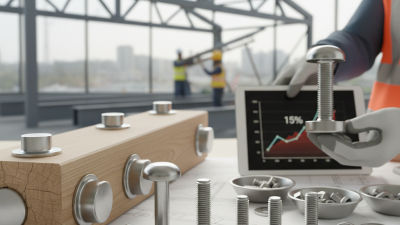
Choosing the right Stainless Carriage Bolt can significantly impact your project's success. These fasteners are essential in various applications, providing strength and durability. According to industry reports, stainless steel fasteners have seen a 25% increase in demand over the past five years. This rise highlights their importance in construction and manufacturing sectors.
Stainless Carriage Bolts offer unique benefits. Their design allows for smooth installation and a secure fit. However, not every project requires the same specifications. Consider factors like size, length, and environmental exposure. A mismatch can lead to structural weaknesses that may go unnoticed initially.
Reflecting on your needs is crucial. An improperly selected Stainless Carriage Bolt can increase costs and delay timelines. Take the time to assess your project requirements diligently. Understanding these components will ultimately guide you in making an informed decision, ensuring the longevity and reliability of your work.
Understanding Stainless Carriage Bolts: Types and Materials
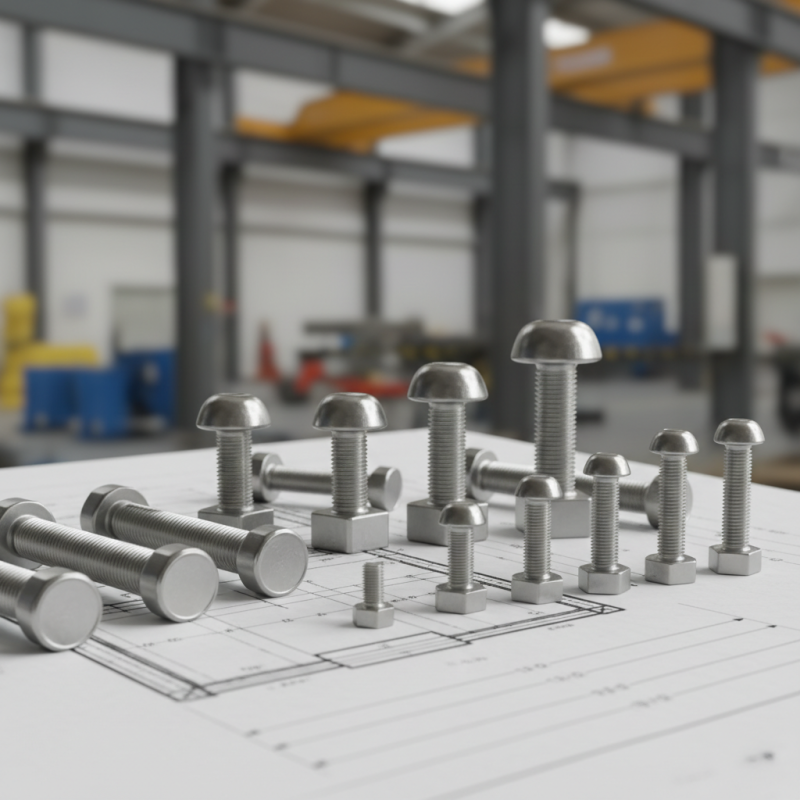
Stainless carriage bolts are essential in various projects. They provide strength and durability. Understanding the types and materials is key to making the right choice.
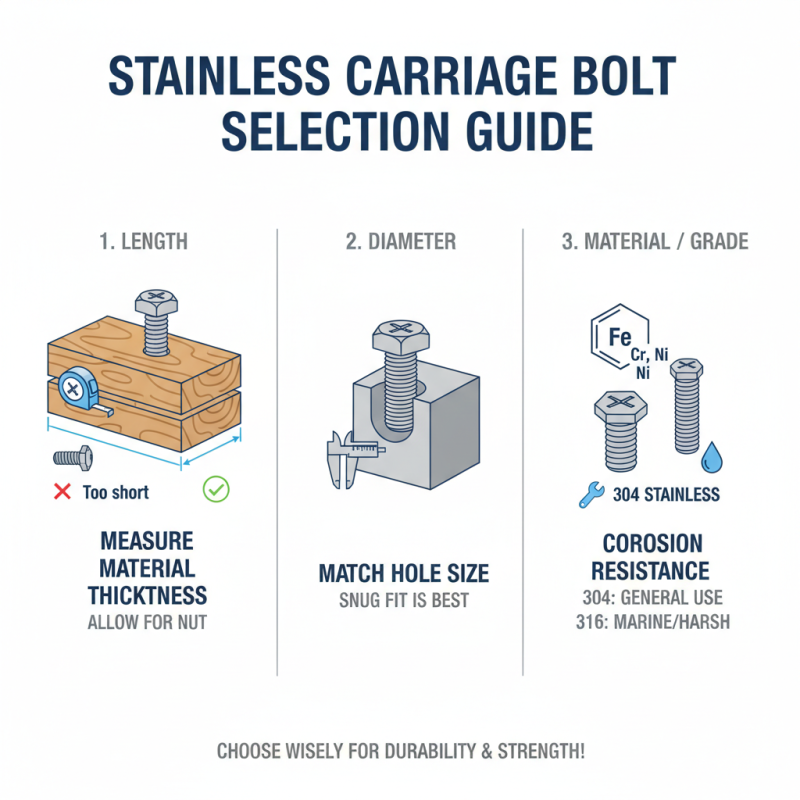
Carriage bolts are primarily made of austenitic stainless steel. This offers great corrosion resistance. They come in different grades, such as 304 and 316. Each serves unique purposes.
When you pick the right bolt, consider your environment. Grade 304 is suitable for indoor use. However, if your project is outdoors, grade 316 is better due to its enhanced resistance to salt and moisture.
Pay attention to the finish as well. Some bolts have a dull finish, while others are polished.
Tips: Check the diameter and length carefully. Using bolts that are too short can lead to weak joints. Additionally, think about the head style. A square neck helps prevent spinning during installation. If you have doubts, consult with professionals. They can provide invaluable insights. Choosing wisely now saves trouble later.
Key Factors to Consider When Selecting Carriage Bolts
When selecting the right stainless carriage bolt for your project, consider several factors. Length matters. Measure the thickness of the materials you’ll connect. Bolts should extend through both pieces and have room for a nut. Too short, and they won't hold. Too long, and they might be cumbersome.
Diameter also affects strength. Carriage bolts come in various sizes. A thicker bolt supports heavier loads. However, using a bolt that’s too large can be overkill. It may disrupt surrounding materials. Find a balance before finalizing your choice.
**Tips**: Opt for stainless steel for durability. It resists corrosion and rust, ensuring longevity. If your project is outdoors, this is critical. Think about the finish as well. A smooth finish is ideal for appearance but can also affect grip. It's worth reflecting on your needs and the bolt's role in your entire project.
Sizing and Length: How to Measure for Your Project
Choosing the right stainless carriage bolt is crucial for your project's success. One key aspect is sizing and length. Understanding how to measure accurately can save you time and resources. Start by determining the thickness of the materials you’ll be fastening. Measure the total thickness of all parts that the bolt will pass through. Use calipers or a ruler for precision.
Once you have the thickness, consider the length of the bolt. A general rule is to select a bolt that extends at least one full thread beyond the material. This ensures a secure hold while also allowing for proper nut engagement. However, choosing a bolt that's too long can lead to complications. It may interfere with other components or create unnecessary protrusions.
Pay attention to head size and shape as well. A larger head can distribute load better but may require more space. Make sure there’s enough clearance for installation. Remember, selecting the correct size is essential, yet it can be tricky. Don't hesitate to re-measure a few times. Mistakes happen, and a little extra effort in measurement can prevent major issues later.
Applications of Stainless Carriage Bolts in Various Industries
Stainless carriage bolts play a crucial role in various industries. In construction, they provide
strength and durability for structural connections. Their resistance to corrosion ensures long-lasting performance, especially in outdoor environments. According to a report by the
American Institute of Steel Construction, the demand for high-strength fasteners has increased by
15% in the past five years. These bolts are essential for maintaining the integrity of structures.
In the automotive industry, stainless carriage bolts are used for securing components. They withstand vibrations and environmental factors, making them
reliable for vehicles. The Automotive Fasteners Market is projected to grow by
21% annually, reflecting the rising need for durable assembly parts. However, not all bolts meet the stringent quality standards required in this field. Each application demands
specific characteristics, prompting engineers to choose wisely.
Another key area is the manufacturing sector. Here, stainless carriage bolts enhance the assembly process. They help minimize
maintenance costs and reduce downtime. A study by the
Manufacturing Institute revealed that over
60% of manufacturers face challenges with fastener reliability. This indicates that while stainless bolts are beneficial, their selection process requires careful consideration.
Balancing cost and quality remains a challenge for many professionals.
Installation Tips for Optimal Performance and Durability
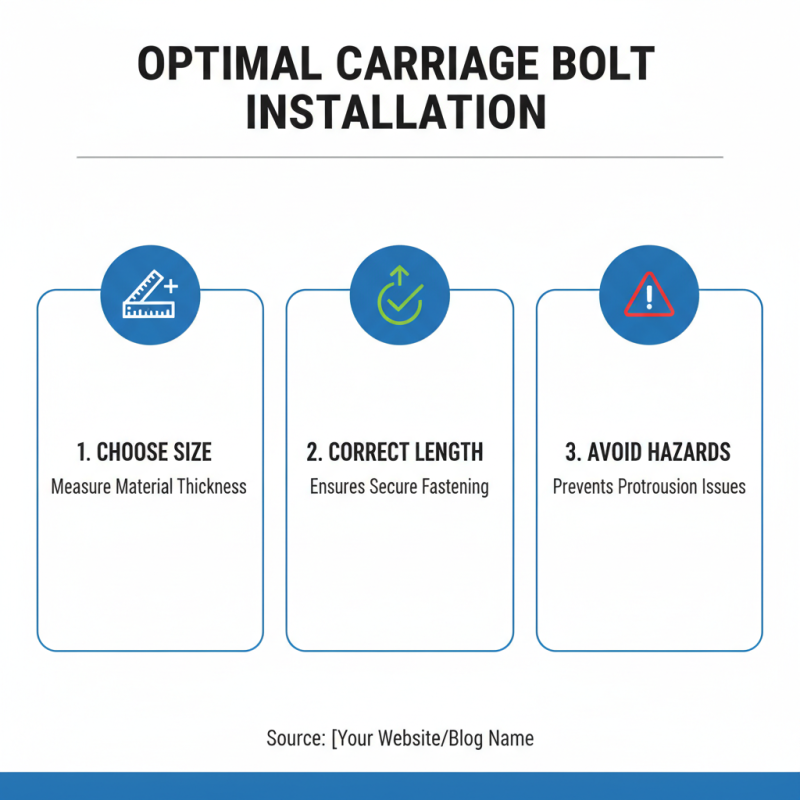
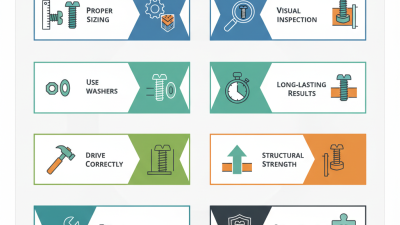
When installing stainless carriage bolts, proper attention to detail ensures optimal performance. Start by choosing the right size for your project. Measure the thickness of the material you are fastening. If the bolt is too short, it won't secure properly. A bolt that is too long can protrude, causing safety hazards.
Next, consider the installation method. Pre-drilling holes is often beneficial. It prevents wood from splitting and ensures a snug fit. Use a washer to distribute the load evenly. This simple step can improve durability tremendously. Tighten bolts securely, but avoid over-tightening.
Finally, inspect your work after installation. Look for any signs of corrosion or looseness. If you notice issues, take the time to fix them right away. Ignoring small problems can lead to larger ones down the road. Being mindful of these details enhances the lifespan of your project and provides peace of mind.