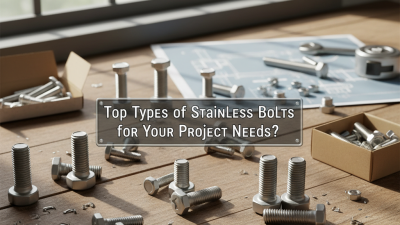
How to Choose the Right Stainless Carriage Bolt for Your Project?
Choosing the right stainless carriage bolt for your project can be challenging. With various types and sizes available, it’s easy to feel overwhelmed. Stainless carriage bolts are essential for ensuring durability and strength in your construction tasks.
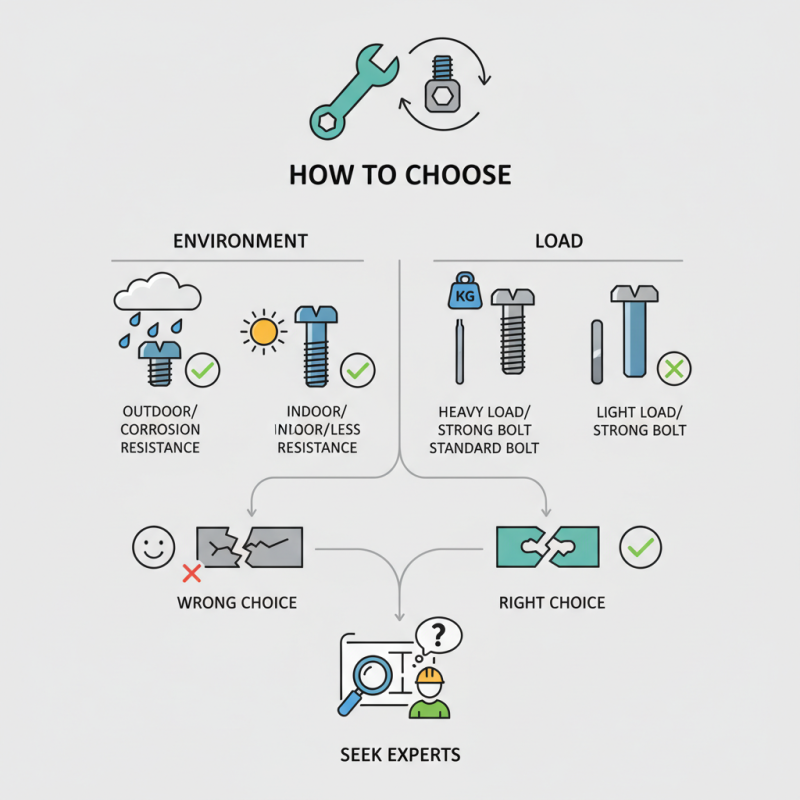
Understanding the specifics is crucial. Consider the environment where the bolt will be used. Corrosion resistance is vital for outdoor applications. Additionally, think about the load requirements. Not all stainless carriage bolts can handle heavy weights effectively.
It may be tempting to pick any bolt that fits, but this could lead to future problems. A poor choice can result in structural failure or increased costs down the line. An informed decision starts with recognizing your project’s unique needs. Seek advice from experts when in doubt. Making the right choice enhances the integrity of your work.
Understanding the Different Types of Stainless Carriage Bolts
Understanding the different types of stainless carriage bolts can greatly enhance your project. These bolts are known for their durability and corrosion resistance. They are commonly made from various grades of stainless steel, including 304 and 316. Each grade offers unique benefits based on your needs.
Grade 304 is often sufficient for many indoor projects. It has good overall corrosion resistance but may not hold up in marine environments. On the other hand, grade 316 is ideal for coastal areas. It withstands saltwater exposure better than 304. Choosing the wrong grade can lead to premature failure, causing expensive repairs later.
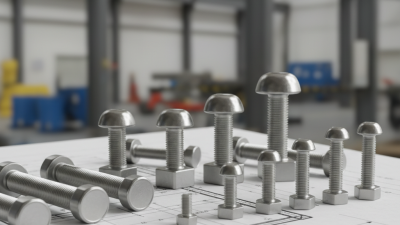
The head type is another important factor. Carriage bolts typically have a domed head. This design prevents snagging, making it safer for pedestrian areas. The shank's length and diameter also matter significantly. A longer bolt provides better grip but can be cumbersome. Remember, the right bolt offers both strength and convenience. Careful consideration of these details can improve your final outcome.
Key Factors to Consider When Choosing Stainless Carriage Bolts
When selecting stainless carriage bolts, several key factors must be considered. The grade of stainless steel plays a crucial role in durability. Common grades include 304 and 316. Grade 316 offers better corrosion resistance, ideal for marine environments. In contrast, grade 304 suffices for general applications. Understanding your project's exposure to moisture or chemicals will guide your material choice.
Another important aspect is the bolt's length and diameter. Ensure you measure the materials being fastened accurately. A common mistake is choosing the wrong length, which can lead to structural failure. It’s advisable to add extra length for any washers or nuts being used. Remember, a properly sized bolt ensures a secure fit and optimal performance.
Tip: Always consult industry standards, such as those from the ASTM (American Society for Testing and Materials), for specific requirements related to your project. Also, avoid compromising by choosing cheaper alternatives without considering their properties. They might not provide the strength needed for critical applications. Inadequate bolts can cause failures and result in costly repairs.
Applications and Uses of Stainless Carriage Bolts in Projects
Stainless carriage bolts are widely used in various project applications. Their design features a rounded head and a square neck, which provides a secure connection. This makes them ideal for woodworking, construction, and outdoor furniture. In these settings, they resist rust and corrosion, ensuring durability.
In woodworking projects, stainless carriage bolts are great for joining wooden beams. They can handle significant loads and provide a clean look. When constructing outdoor furniture, they help maintain structural integrity under harsh weather conditions. Many people use them to secure metal to wood as well. They hold strong even when exposed to moisture.
Choosing the right size is essential for effective use. However, not all projects go as planned. Sometimes, using an oversized bolt can lead to splitting wood. This is an issue worth considering. Make sure to test your projects before final assembly. Balancing strength and aesthetics can be tricky. Always evaluate your needs before making a final decision.
Tips for Measuring and Sizing Stainless Carriage Bolts Correctly
When selecting the right stainless carriage bolt, precise measurement is crucial. A report from the Industrial Fasteners Institute notes that improper sizing leads to 30% of fastener failures in projects. Start by measuring the diameter. Common sizes range from 1/4 inch to 1 inch. Using a caliper helps achieve accurate readings. Remember, the diameter affects the bolt’s strength and load capacity.
Next, consider the length of the bolt. It should be long enough to pass through the material, plus an additional 1/2 inch, as suggested by experts. The head height and width also matter. Standard head sizes can impact the aesthetics and functionality of your project. According to a study by the Fastener Industry Coalition, roughly 20% of projects overlook these dimensions. This leads to unsatisfactory results and potential rework, which no one wants to manage.
Additionally, assess the material type. Stainless steel options vary in grade. Use 316-grade for marine applications, while 304 is adequate for general use. Understanding these specifics enhances your decision-making process, ensuring durability and reliability. Neglecting to address these details might lead to replacements, adding unforeseen costs. Prioritizing accurate measurement can save time and resources down the road.
Comparing Stainless Carriage Bolts to Other Fastener Options
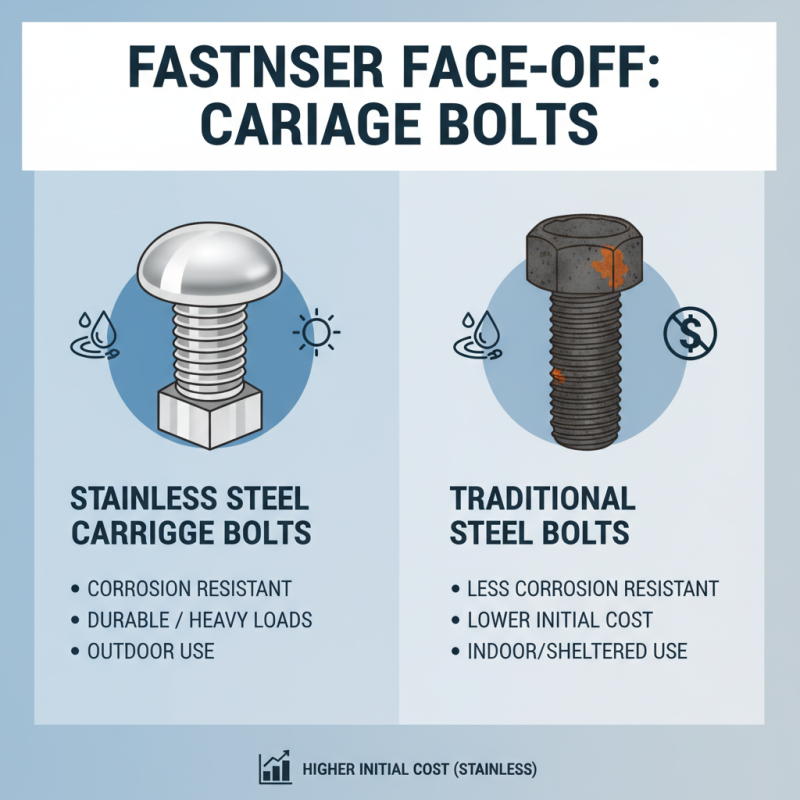
When choosing fasteners for your project, stainless carriage bolts often stand out. Unlike traditional steel bolts, stainless steel offers superior corrosion resistance. This feature is particularly vital in outdoor projects, where weather and moisture are factors. The durability of stainless steel also means it can withstand heavy loads. However, it might come with a higher initial cost.
Comparing stainless carriage bolts to other options, such as plated steel or plastic, reveals clear differences. Plated steel may rust over time, especially if scratched. While plastic fasteners are lightweight and resist corrosion, they generally lack the strength needed for heavy-duty applications. Your choice should depend on your project requirements. Consider safety and longevity. If you overlook these aspects, you might face significant wear later on.
One common mistake is assuming all fasteners are interchangeable. Each type has a unique application. For instance, stainless steel bolts are great for humid environments, while others might be better suited for indoor use. Reflecting on your specific needs can prevent issues down the line.