What is a Custom Wood Screw and How to Choose It?
In the world of woodworking, the importance of a Custom Wood Screw cannot be overstated. The demand for specialized screws has surged, with industry reports indicating a growth rate of 4.5% annually. This surge highlights the increasing need for tailored solutions that meet specific project requirements. Custom Wood Screws offer enhanced performance, ensuring secure assembly and longevity in various applications.
Choosing the right Custom Wood Screw involves understanding material types, thread configurations, and coating options. Studies show that over 70% of woodworkers prefer screws that are specifically designed for their projects. This preference underscores the necessity of custom solutions, especially when dealing with different wood densities and environmental conditions. Without these customizations, structural integrity may be compromised.
While many manufacturers offer standard screws, the unique characteristics of a Custom Wood Screw can lead to better results. Visualizing the difference between a generic screw and a custom option often reveals performance gaps. However, the challenge lies in properly understanding how to specify and select the right screws. As woodworkers seek to balance quality and cost, reflection on their choices becomes essential.
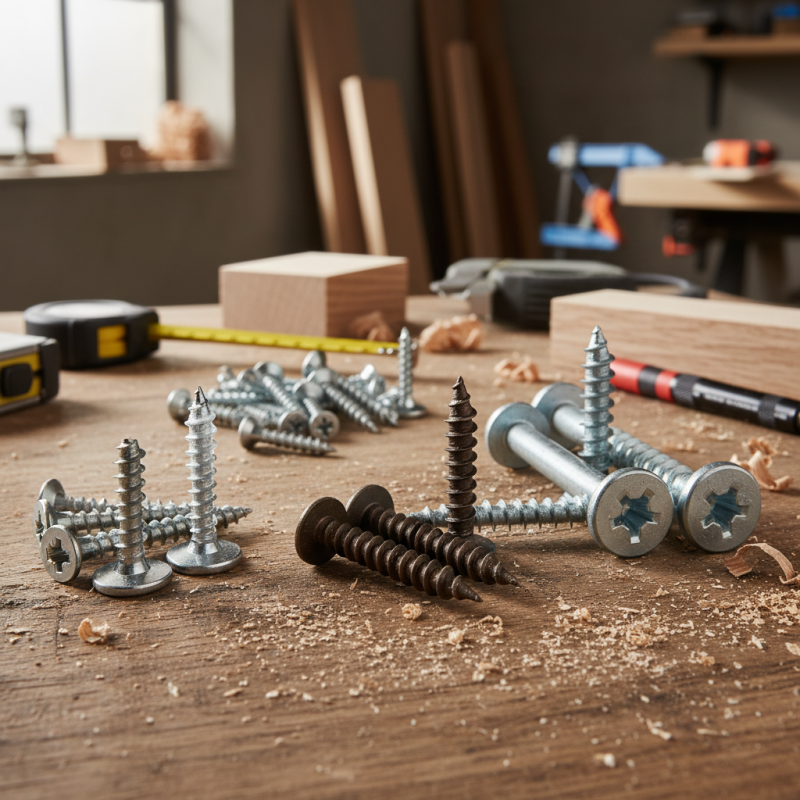
What Defines a Custom Wood Screw in the Manufacturing Industry?
In the manufacturing industry, custom wood screws are defined by their unique specifications. Each screw can be tailored to suit specific projects. This flexibility is essential for ensuring the right fit and performance. Dimensions, thread types, and materials are often customized. Designers might select a screw's diameter or length to meet precise needs. This attention to detail enhances the product's functionality.
Choosing the right custom wood screw can be challenging. Mistakes happen when specifications are not clearly outlined. For instance, selecting the wrong thread pitch can lead to improper fastening. There are many materials available, from stainless steel to brass. Each material has its advantages and drawbacks. It's important to weigh durability against corrosion resistance. Oftentimes, personal experience can guide these decisions, yet it may not cover every scenario. Attention must be given to the environment and application.
Like any aspect of production, careful consideration leads to better outcomes.
Understanding Thread Types: The Role of Threads in Custom Wood Screws
When selecting a custom wood screw, understanding thread types is crucial. Threads are the helical ridges on a screw. They determine how a screw engages with wood. Different thread types offer various advantages. For instance, coarse threads grip better in soft woods. Fine threads provide a tighter fit in harder materials.
The role of threads extends beyond mere attachment. They influence the screw's strength and holding power. For instance, deeper threads can enhance grip but might split the wood if over-tightened. Some screws also have specialized threads for specific applications. These include self-tapping or anti-pull designs. Choosing the right type of thread can greatly affect the performance of your project.
It's important to consider your project's requirements. A screw with the wrong thread might lead to problems. An incorrect choice can cause loosening or splitting of the wood. Reflecting on your needs before making a selection can save you time and frustration. Pay attention to the specific characteristics of the wood you’re using. That will guide you to the most effective screw design.
Thread Types in Custom Wood Screws
This bar chart illustrates the number of uses for different thread types in custom wood screws. Coarse threads are the most commonly used, followed by self-tapping and fine threads, while extra fine threads see the least usage.
Factors to Consider When Selecting Custom Wood Screws for Projects
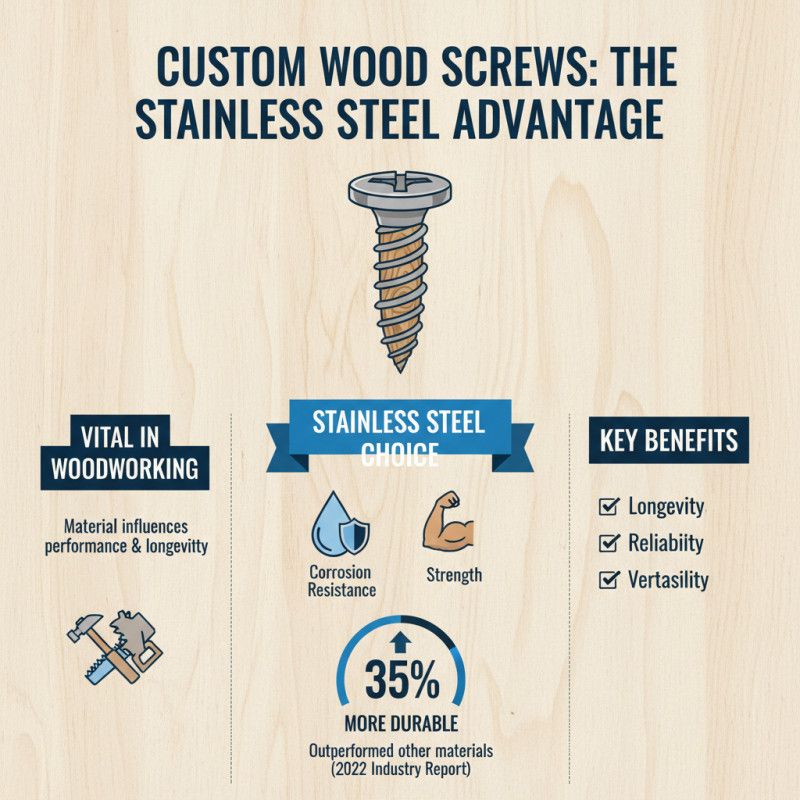
Choosing the right custom wood screw can greatly affect your project. Several factors come into play. One critical aspect is screw material. Stainless steel, for example, offers durability and corrosion resistance. But it may not always match the aesthetics of your wood.
Next is screw length and diameter. A screw too long can split wood. Conversely, one that’s too short may not provide enough holding power. Also, consider the thread type. Coarse threads grip better in softwoods, while fine threads are suitable for hardwoods. Yet, remember that some custom screws may be over-engineered for simple tasks.
Finally, think about your project’s design. Some screws are designed to be hidden, while others are meant to be visible. Color and finish also matter. They can either enhance or clash with your wood's natural beauty. Reflecting on these factors can lead to smarter choices and potentially avoid costly mistakes later on.
Industry Standards and Testing for Custom Wood Screw Quality Assurance
When choosing custom wood screws, industry standards play a vital role in ensuring quality and performance. The American Society for Testing and Materials (ASTM) provides guidelines on materials and corrosion resistance. For instance, ASTM F593 covers alloy screws and their tensile strength, which should exceed 60 ksi for most applications. This standard helps guarantee durability in wood connections.
Testing methods are crucial. The pull-out test evaluates how well a screw grips in wood. In one study, screws that passed this test showed 30% better holding power than those that did not. Additionally, the torque test measures how much force is needed to drive the screw into wood. Screws that slip during this test may fail under load, leading to potential structural issues.
Quality assurance also requires checking for defects. Screws with misaligned threads can introduce weaknesses. In 2020, a report indicated that 15% of custom screws failed quality checks due to thread inconsistencies. Understanding these factors is essential. Ensuring adherence to industry standards can help avoid costly mistakes in woodworking projects.