What Is a Mushroom Head Screw Used For?
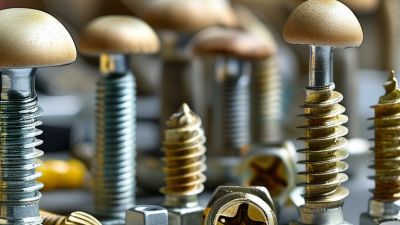
A Mushroom Head Screw is designed for applications that need a broad, rounded head with a low-profile finish. Its smooth cap spreads pressure across a wider surface than many conventional screw heads. This shape can reduce snagging on clothing, cables, or moving components. It also creates a cleaner appearance on furniture, cabinets, vehicle panels, and light equipment.
The head matters.
In practical work, installers often choose a Mushroom Head Screw when appearance and surface protection are equally important. The rounded top can cover a larger opening, while the underside supports the fastened material. Some models include square necks, security drives, or corrosion-resistant coatings. Each feature changes the screw’s performance and installation requirements. Stainless steel may suit humid locations, while zinc-plated steel often fits indoor projects. Material thickness, load direction, and the receiving surface still require careful evaluation.
A common mistake is selecting this screw only because it looks neat. That decision can fail when the joint experiences vibration, excessive tension, or outdoor exposure. The screw must match the pilot hole, driver bit, washer, and base material. Hand testing is useful, but it cannot replace manufacturer specifications or a proper fit check. In this guide, we examine what a Mushroom Head Screw is used for, where its design offers real advantages, and when another fastener may be safer or more efficient. The answer is practical, but not universal.
Definition and Key Features of a Mushroom Head Screw
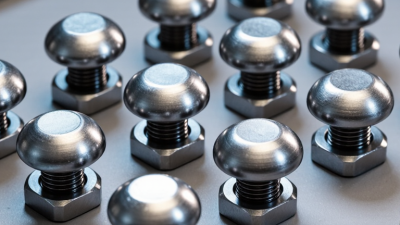
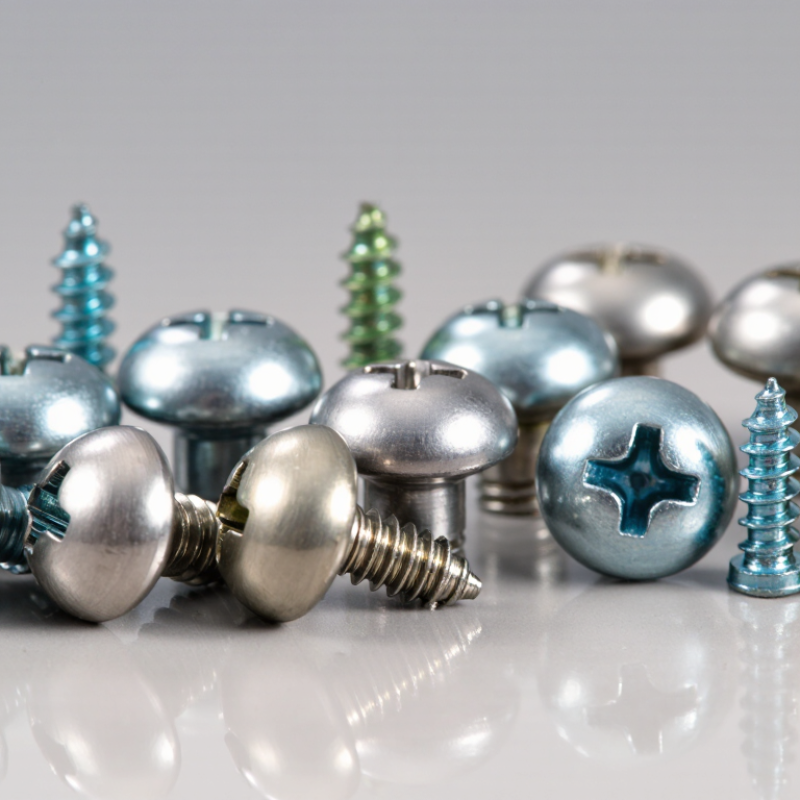
A mushroom head screw is a fastener with a broad, rounded head and a low-profile underside. Its shape resembles a small dome or mushroom cap. The head sits above the material instead of sinking deeply into it. This design provides a smooth, finished appearance and reduces sharp edges that could catch clothing or skin.
The main features include a wide bearing surface, a short or moderate head height, and a recessed drive such as a hex, Phillips, or star pattern. The broad head spreads pressure over a larger area. This helps protect softer materials, including wood, plastic, and thin sheet metal. Many versions use stainless steel or coated steel for improved corrosion resistance. However, coating quality and material grade still matter. A screw can look durable and perform poorly in damp conditions.
Mushroom head screws are often used for furniture, cabinets, signs, light panels, and decorative hardware. They work well where appearance and user safety matter. During installation, the driver must fit the recess closely. Excessive torque may damage the drive or strip the threads. One detail is easy to overlook: the rounded head does not automatically mean high strength. For load-bearing joints, check the screw’s dimensions, material, thread engagement, and manufacturer-rated capacity. In practical workshop use, choosing a shorter screw may look cleaner, but it can provide weaker holding power. That trade-off deserves a second look.
Mushroom Head Screw: Standard Head Dimensions
For mushroom-head, also known as button-head, socket screws, the rounded head provides a low-profile surface with reduced snagging risk. The chart shows representative maximum head diameter and head height for common metric sizes based on ISO 7380-1 dimensions.
Common Materials and Applications for Mushroom Head Screws
Mushroom-head screws have a broad, rounded top and a low-profile shape. The wide head can spread pressure across a surface, while its smooth edges are less likely to catch clothing or cables. They are often used on furniture, equipment panels, signs, and protective covers. Fit matters. The head’s size and the material beneath it still affect how securely the screw holds.
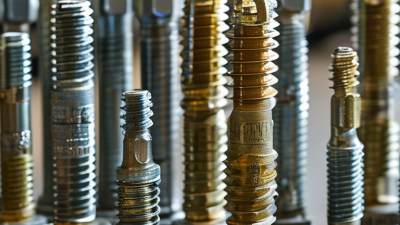
Common materials include stainless steel, plated carbon steel, brass, and nylon. Stainless steel suits damp settings, such as outdoor fixtures, though the exact grade matters near salt or chemicals. Plated carbon steel is a practical option for indoor assemblies. Brass offers a decorative finish and resists corrosion, but it is softer than steel. Nylon screws are lightweight and electrically insulating, yet they are not suited to every load or temperature.
For wooden furniture, choose a thread designed to grip wood and avoid overtightening; a broad head can still crush a soft surface. In sheet metal or equipment housings, check the screw’s thread, length, and finish against the panel and surroundings. Dissimilar metals can corrode when moisture is present. The choice is not always obvious: a larger head may spread force, but it can also obstruct a moving part or sit awkwardly against a countersunk surface. A test fit helps reveal those details.
How to Select the Right Mushroom Head Screw for a Project
What Is a Mushroom Head Screw Used For?
How to Select the Right Mushroom Head Screw for a Project
Mushroom head screws have a wide, rounded top and a relatively low profile. Their heads can spread pressure over a larger area than narrow countersunk heads, while remaining visible on the surface. They suit fixtures, brackets, and panels where a smooth, finished appearance matters. But appearance alone is not enough.
Start with the material being fastened and the load it must carry. Choose a thread suited to the substrate: wood screws need suitable engagement in wood, while machine screws generally require a matching threaded hole or nut. Select a length that provides adequate grip without protruding into a hidden space. For thin sheet material, check that the screw will not distort the panel. Check the details.
Next, match the head and drive to the available clearance and tools. A wide head may not fit a narrow recess, and the chosen drive should allow firm seating without stripping. Consider corrosion exposure when selecting screw material or finish; damp locations may need greater corrosion resistance than dry indoor settings. A sample fit helps reveal problems before installation. I would not assume the rounded head automatically prevents loosening: vibration and load still matter, so verify the fastening method for the actual application.
What Is a Mushroom Head Screw Used For? — How to Select the Right Mushroom Head Screw for a Project
Mushroom head screws have a broad, rounded, low-profile head. They are commonly chosen when a smooth appearance, a wider bearing surface, or reduced snagging is useful. Select the fastener to suit the materials, loads, environment, and access requirements.
| Project or Use |
Why Choose a Mushroom Head |
Selection Considerations |
Practical Checks |
| Furniture, cabinets, and interior fixtures |
The rounded profile provides a finished appearance and is less likely to catch on clothing or nearby objects than a tall projecting head. |
Match the screw material and finish to the fixture. Choose a head diameter that covers the clearance hole without interfering with adjacent parts. |
Check that the head sits flat against the surface and that the screw length will not protrude through the far side. |
| Thin sheet-metal or plastic panels |
The relatively wide head can spread contact over a larger area than a small pan or countersunk head. |
Use a compatible thread and consider a washer if the panel is soft, thin, or prone to deformation. Select a screw length that provides adequate thread engagement in the supporting material. |
Confirm that tightening will not crush, crack, or distort the panel. Use a pilot or clearance hole suited to the material and screw type. |
| Equipment covers, guards, and enclosures |
A low rounded head can reduce snagging while keeping the fastener visible and accessible for maintenance. |
Choose the drive type based on installation access and the expected frequency of removal. A pin-in-drive security style is an option where a compatible tool is available and casual removal should be discouraged. |
Security-drive screws are not a substitute for a designed locking system. Check clearance for the driver and verify that the screw does not obstruct moving parts. |
| Signs, labels, and light-duty mounting brackets |
The broad head can help retain a mounting hole while giving the installation a neat, visible finish. |
Choose a corrosion-resistant material or coating suited to the exposure. For outdoor use, account for rain, humidity, and any salt or chemical exposure. |
Check the substrate and expected loads; use suitable anchors when fastening into masonry or other materials that do not hold screw threads directly. |
| Outdoor fixtures in general environments |
The head shape offers a smooth, rounded profile for exposed assemblies. |
Coated carbon steel may suit dry or mildly exposed conditions. Stainless steel is often selected for improved corrosion resistance; 304 stainless is common for general outdoor use, while 316 is often considered for chloride-rich or marine environments. |
Corrosion resistance depends on the complete assembly and exposure. Consider galvanic compatibility with the joined materials and avoid assuming any material is suitable for every environment. |
| Projects requiring a particular load capacity |
The head style affects the bearing area and appearance, but does not by itself determine the fastener’s strength. |
Choose diameter, length, material, thread, and strength grade based on the joint design and the manufacturer’s specifications. Account for the material being fastened into. |
Do not infer a safe working load from the head shape alone. For safety-critical or heavily loaded joints, use an engineered specification and appropriate installation method. |
| Assemblies where tool access matters |
The rounded head is available with different drive styles, allowing the fastener to be matched to the installation method. |
Phillips and slotted drives are common; hex-socket or star drives may offer more controlled engagement when the correct bit is used. Availability varies by screw type. |
Use the correctly sized driver and avoid over-tightening, especially in plastic, thin sheet, or soft materials. |
Basic Installation Methods and Safety Considerations
What Is a Mushroom Head Screw Used For?
A mushroom head screw provides a broad, low-profile bearing surface. It is commonly used for brackets, panels, furniture hardware, and light sheet-metal assemblies. The rounded head reduces snagging and spreads clamping pressure across the surface. It is not automatically vandal-resistant. Security depends on the drive style and the matching tool.
Installation
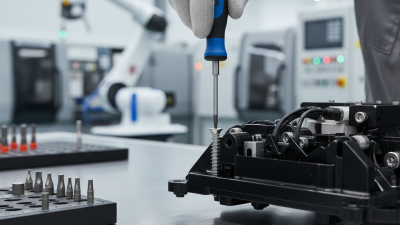
Installation starts with checking the screw, material, and required thread engagement. Mark the hole, then drill a pilot hole when the substrate may split or deform. Keep the drill square to the surface. Insert the screw slowly, using a bit that fully fits the drive recess. Stop when the head sits firmly. Do not bury it into soft material. A washer may help distribute pressure on thin panels. I have seen over-tightening crush plastic, even when the joint initially looked stronger.
Safety and Inspection
Safety deserves equal attention. Wear eye protection when drilling, remove loose clothing, and secure the workpiece before driving. Disconnect powered equipment during adjustments.
The U.S. Bureau of Labor Statistics reported about 2.6 million nonfatal workplace injuries in private industry during 2023. Small fastening tasks still create exposure to flying chips, sharp edges, and hand injuries.
The UK Health and Safety Executive estimated 561,000 self-reported nonfatal workplace injuries in 2022/23. These figures do not isolate screw installation, but they support a careful work routine.
Check for damaged threads, cracked heads, and uneven seating before service. A torque-limiting driver is useful, although its setting may need adjustment after real-world testing.