What is a Stainless Bolt and How is it Used in Engineering?
In the field of engineering, the stainless bolt stands as a crucial component. Experts emphasize its importance. Dr. Henry Reed, a renowned materials scientist, once said, "Stainless bolts provide durability and resistance, essential for long-lasting designs."
Stainless bolts feature a blend of steel and chromium. This unique combination enhances corrosion resistance significantly. They are widely used in various industries, from construction to automotive engineering. In the marine industry, for instance, they withstand harsh environments. This durability is vital for safety.
However, not all stainless bolts are created equal. The varying grades can lead to confusion. Engineers often face challenges selecting the right type for specific applications. Mistakes in this choice can result in costly repairs. The quest for the ideal stainless bolt continues, urging the industry to evolve. Each project teaches valuable lessons, reminding us that innovation is a continuous process.

What is a Stainless Bolt?
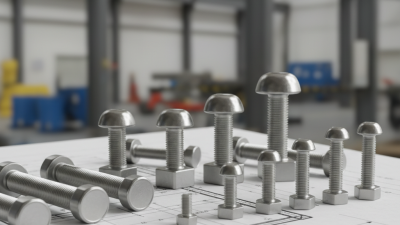
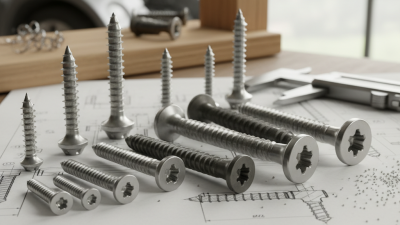
A stainless bolt is a fastener made from stainless steel. This material provides excellent corrosion resistance. Stainless bolts are commonly used in environments exposed to moisture, chemicals, or extreme temperatures. According to a report by Market Research Future, the global market for stainless steel fasteners is expected to reach USD 14 billion by 2025. This growth reflects the increasing demand in various industries, such as construction and automotive.
Stainless bolts come in various grades. The most common ones are 304 and 316. Grade 304 offers good corrosion resistance, while grade 316 has added molybdenum, enhancing its performance in more aggressive environments. A study from ASTM International indicates that stainless steel fasteners have a tensile strength of about 70,000 psi. However, despite these advantages, stainless bolts can be prone to galling, especially when not lubricated properly. This can lead to processing difficulties and failures in applications.
Their versatility is notable, but engineers must choose the right grade for specific applications. Some industries even report issues with over-tightening, which can lead to bolt failure. Proper installation techniques are crucial for optimal performance. While stainless bolts are reliable, they are not infallible. Awareness of their limitations is key in engineering applications.
What is a Stainless Bolt and How is it Used in Engineering?
| Bolt Type |
Material |
Grade |
Common Uses |
Corrosion Resistance |
| Hex Bolt |
Stainless Steel 304 |
18-8 |
General Construction |
Good |
| Socket Head Cap Screw |
Stainless Steel 316 |
16-8-2 |
Marine Applications |
Excellent |
| Carriage Bolt |
Stainless Steel 304 |
18-8 |
Wood Connections |
Good |
| Lag Bolt |
Stainless Steel 316 |
16-8-2 |
Heavy Timber Structures |
Excellent |
| Bolt Nut Set |
Stainless Steel 304 |
18-8 |
General Fastening |
Good |
Composition and Types of Stainless Steel
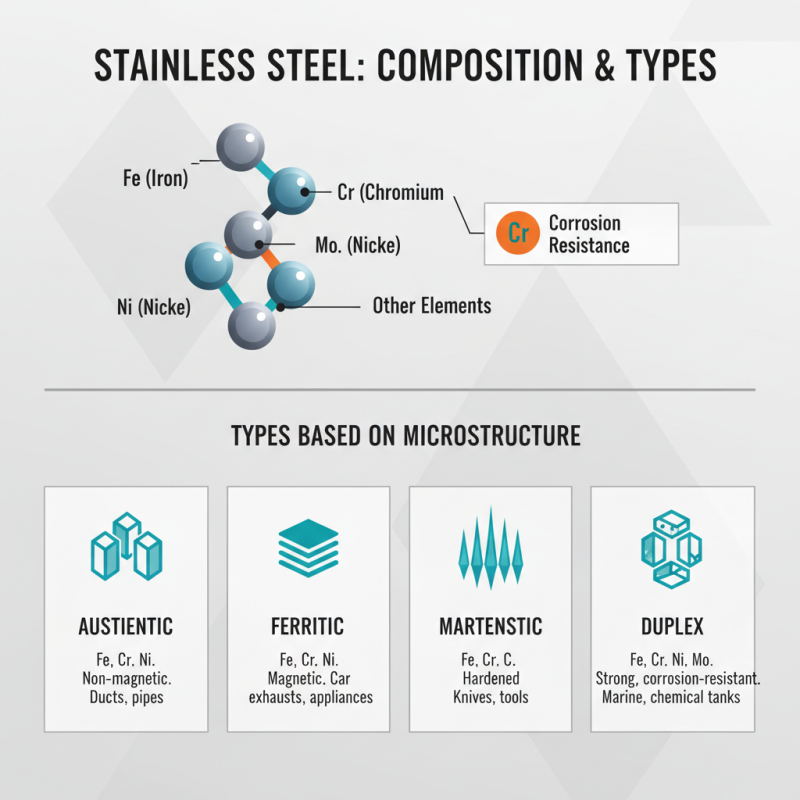
Stainless steel is a popular material in engineering. Its composition and types are crucial to understand its uses. Stainless steel contains iron, chromium, and varying amounts of nickel, molybdenum, or other elements. The chromium content is what gives it resistance to rust and corrosion. Typically, stainless steel is classified into several types based on its microstructure.
Austenitic stainless steel is the most widely used. It has good weldability and excellent toughness. Commonly found in kitchen appliances, it has high corrosion resistance. Martensitic stainless steel, on the other hand, is strong and hard. This type is often used in applications requiring high strength, such as cutting tools. Ferritic stainless steel, while less ductile, is affordable and resists stress corrosion cracking.
Despite its advantages, stainless steel can present challenges. The welding process can lead to sensitization, which reduces corrosion resistance. Careful handling is crucial, as it can scratch easily. These complexities make engineers consider both the material properties and the conditions of use. Understanding these factors is vital for successful projects.
Applications of Stainless Bolts in Engineering
Stainless bolts play a crucial role in various engineering applications.
Their resistance to corrosion makes them ideal for use in harsh environments.
Industries like construction, automotive, and marine rely heavily on these fasteners.
In bridges, they provide structural integrity. In coastal areas, their durability against saltwater is invaluable.
Tips: Ensure proper installation.
Over-tightening can lead to failure. Always use the right size for your project.
In the automotive sector, stainless bolts are used in exhaust systems and other critical components.
They withstand extreme temperatures and pressures. In machinery, these bolts help maintain tight seals.
However, regular inspections are necessary to prevent issues.
Tips: Choose the right grade for your application.
Not all stainless steels are equal. Keep an eye on signs of wear or corrosion.
Benefits of Using Stainless Bolts
Stainless bolts are a popular choice in engineering due to their unique advantages. They are resistant to rust and corrosion, making them ideal for projects exposed to harsh environments. According to a report by the International Stainless Steel Forum, over 60% of stainless steel production is used in construction and infrastructure. This highlights the growing reliance on stainless bolts for durability.
One significant benefit is their strength-to-weight ratio. Engineers prefer stainless bolts because they can withstand high levels of stress without adding excessive weight to structures. A study by the American Society of Civil Engineers shows that using stainless bolts can increase the lifespan of bridges by up to 30%. This longevity reduces maintenance costs and ensures safety over time.
Additionally, stainless bolts are easy to work with. They can be machined and installed with less effort compared to traditional materials. This can lead to reduced labor costs on projects. However, stainless steel requires careful handling. Improper installation may lead to issues like galling, where the bolts can seize. Awareness of these challenges helps improve overall project outcomes.
Installation and Maintenance of Stainless Bolts
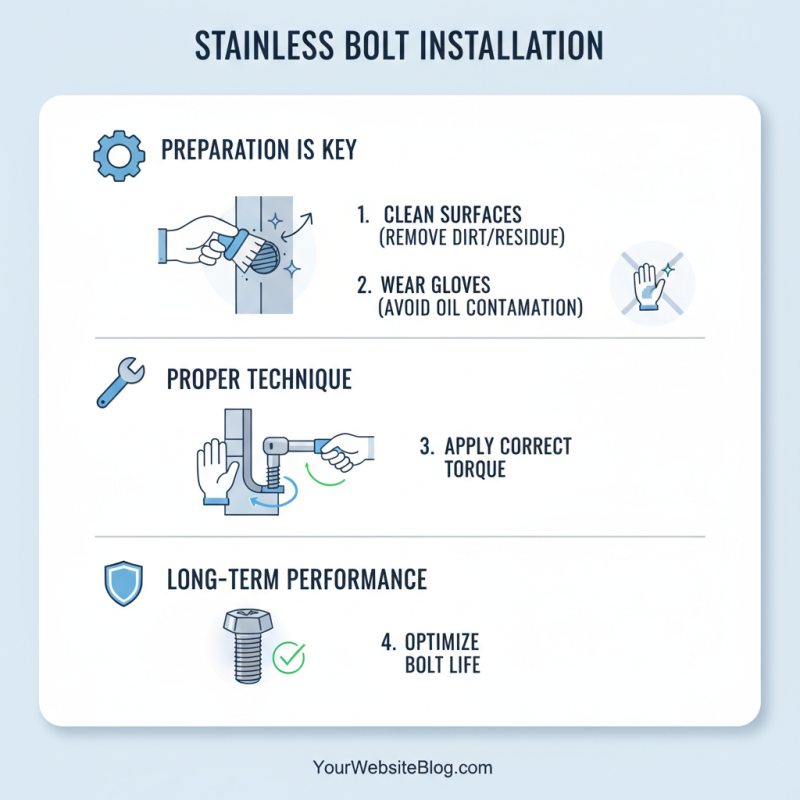
When installing stainless bolts, proper preparation is key. Start by cleaning the surfaces where the bolt will be placed. Remove any dirt or old residue. Wear gloves to avoid contamination from oils on your skin. This simple step often gets overlooked but can affect the bolt’s performance.
During installation, ensure that you use the right tools. Too much torque can lead to stripping or snapping. Using the wrong size can also cause issues. Pay attention to the specifications of your project. If the bolts don’t fit, it could lead to failure.
Tips: Always double-check the alignment of the bolts before tightening. Misalignment can cause stress and weaken the connection. Regularly inspect the bolts after installation. Look for any signs of corrosion, especially in wet environments. Addressing these issues early can prevent major problems later on. Keep records of maintenance checks, as this helps track condition over time.