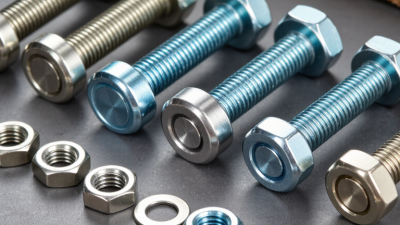
Choosing the right Stainless Carriage Bolt looks simple until the application meets moisture, vibration, or uneven timber.
A polished head does not guarantee dependable performance. The bolt’s grade, diameter, thread length, and bearing surface must match the joint. Stainless steel also needs careful selection. Grade 304 suits many indoor and general outdoor projects. Grade 316 offers stronger resistance in coastal, chemical, or regularly wet environments. The wrong grade may look fine today and stain badly later.
Metallurgist A. John Sedriks wrote, “Stainless steels are not immune to corrosion.” That warning deserves attention. It challenges the common belief that stainless fasteners need no protection or maintenance. Crevices beneath washers, trapped salt, and contact with dissimilar metals can still create problems. Small details matter.
These seven tips examine the practical decisions behind a reliable Stainless Carriage Bolt. They consider the working environment, steel grade, bolt dimensions, thread engagement, head design, installation method, and supplier documentation. A useful check includes measuring the material stack before ordering. Extra thread is not always better. Too much exposed thread can collect dirt, while too little may weaken the connection.
Look closely.
A torque wrench, clean washer, and suitable anti-seize compound can improve installation. Yet anti-seize products vary, and some may affect torque readings. That part is easy to overlook. Certifications and traceable material records also deserve attention, especially for structural or safety-related assemblies. No bolt choice is perfect for every project. Careful selection simply reduces avoidable failures and makes the final decision easier to defend.
7 Tips for Choosing the Right Stainless Carriage Bolt
Understand Stainless Carriage Bolt Materials and Grades
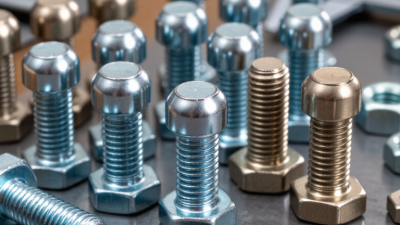
A stainless carriage bolt has a smooth domed head and a square neck beneath it. The neck locks into wood, steel, or a prepared hole. Material selection matters more than appearance. Grade matters.
Most general-purpose bolts use 304 stainless steel, often described as 18-8 or A2. It handles indoor moisture, mild outdoor exposure, and routine assembly well. For coastal air, salt spray, or chemical cleaning, 316 stainless steel is usually safer. Its molybdenum content improves resistance to chloride corrosion. A4 is a common designation for this corrosion-resistant group.
I once treated “stainless” as a complete specification. That shortcut fails. Some fasteners have better surface resistance but lower mechanical strength than expected. A2-70 and A4-80 identify strength classes, not only chemical composition. Check the product certificate, markings, and applicable requirements, such as ASTM F593 for corrosion-resistant bolts.
Thread fit also deserves attention. Stainless threads can gall when dry or overtightened. Use steady torque and a suitable anti-seize compound when permitted by the application. Avoid mixing stainless bolts with incompatible metals in wet environments. Galvanic corrosion may appear around the washer or joint. Grade alone cannot solve that problem.
A 410 stainless carriage bolt may offer greater hardness, but it generally resists corrosion less effectively than 304 or 316. Do not choose it from strength numbers alone. Inspect the neck dimensions, thread length, washer fit, and actual exposure conditions. Small details decide whether the joint stays secure after years of rain, vibration, and maintenance.
Understand stainless carriage bolt materials and grades. The chart compares representative midpoint alloy compositions for common stainless grades used in fastening applications. Higher chromium supports passivation and corrosion resistance, while nickel improves ductility and helps stabilize the austenitic structure. Molybdenum is especially important for improving resistance to chlorides and saltwater exposure.
Grade 304 is a general-purpose choice for indoor and moderately corrosive environments. Grade 316 contains molybdenum and is usually preferred for coastal, marine, and chloride-rich conditions. Grade 410 has lower nickel content and higher hardness potential, making it suitable when wear resistance and strength are more important than maximum corrosion resistance. Actual chemistry can vary within the applicable material specification.
7 Tips for Choosing the Right Stainless Carriage Bolt
Match Bolt Size, Length, and Thread to the Application
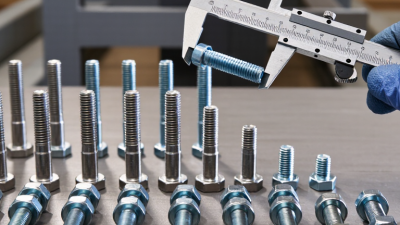
Choosing a stainless carriage bolt starts with the joint, not the bolt bin. Measure the hole diameter and select a bolt that fits without excessive movement. A loose fit can weaken alignment. Measure twice.
Check the bolt length beneath the rounded head. It should pass through every joined layer, the washer, and the nut, with several threads exposed. Excess length can catch clothing or collect debris. Too little thread engagement is worse. In field repairs, I have seen installers measure the total bolt length, including the head, and order bolts that were too short. That small mistake delayed the work.
Match the thread diameter and pitch to the mating nut. Fine threads may offer better adjustment, while coarse threads often handle dirty outdoor conditions more reliably. Do not force an unmatched nut. It can damage the threads before the joint feels tight. Select a stainless grade suited to moisture, salt, heat, and expected loading. Stainless steel resists corrosion, but it is not immune to staining or galling. Apply suitable anti-seize when the application allows it, and tighten according to a verified torque specification. A wrench check is more dependable than judging tightness by feel. If the bolt will sit in timber, check the square neck depth and material thickness carefully. A shallow neck may spin during tightening.
| Tip | Application or Requirement | Recommended Diameter | Typical Length Selection | Thread Specification | Stainless Steel Choice | Practical Guidance |
|---|---|---|---|---|---|---|
| 1. Match the bolt diameter to the load | Light-duty panels, signs, guards, and small brackets | M6 or 1/4 in | Usually 20–50 mm, or 3/4–2 in | Metric coarse: M6 × 1.0; inch coarse: 1/4-20 UNC | A2 stainless for general indoor or outdoor service | Use the smallest diameter that meets the design load without overstressing the connected material. |
| 2. Increase diameter for heavier loads | Frames, timber joints, equipment supports, and structural assemblies | M8–M12 or 5/16–1/2 in | Typically 40–120 mm, or 1-1/2–5 in | M8 × 1.25, M10 × 1.5, or M12 × 1.75 coarse pitch | A2-70 or A4-70, subject to the engineering load calculation | Verify shear, tension, bearing, and edge-distance requirements rather than selecting by diameter alone. |
| 3. Measure length correctly | Applications where the bolt must pass through multiple layers | Select the diameter first, then calculate the length | Grip thickness + washer thickness + nut height + 2–3 exposed threads | Specify length from directly under the rounded head to the tip | A2 or A4 stainless, depending on the environment | Avoid excessive protrusion, which can cause snagging, corrosion exposure, or interference with nearby parts. |
| 4. Confirm the thread pitch | Replacement work or assemblies with existing nuts and tapped holes | Match the existing nominal diameter exactly | Use the original length unless the joint design has changed | Do not mix metric threads with inch threads; verify pitch with a gauge | Use a compatible stainless nut to reduce thread galling risk | A bolt may appear to fit while having the wrong pitch, leading to damaged threads or an unreliable joint. |
| 5. Choose the stainless grade for exposure | Indoor areas, normal outdoor conditions, coastal locations, or chemical exposure | Diameter is determined by the mechanical load | Length is determined by the joint stack-up | Use the thread standard already specified for the assembly | A2 for general service; A4 for higher resistance to chlorides and marine exposure | A4 is not immune to corrosion; rinse away salt and chemicals and avoid stagnant moisture where possible. |
| 6. Check the square neck and hole fit | Wood, composite, sheet-metal, and slotted assemblies requiring anti-rotation | Select a head and neck size compatible with the material | Allow enough length for full neck engagement and nut installation | Common carriage-bolt forms include DIN 603 and ASME B18.5 configurations | Select a corrosion-resistant grade suitable for the mating material | The square neck should seat firmly without crushing thin sheet or splitting wood. |
| 7. Control installation torque and galling | Repeated assembly, high-friction threads, or stainless-to-stainless joints | Use the specified diameter and strength class | Maintain adequate thread engagement without bottoming out | Clean, undamaged coarse threads are commonly used for general carriage-bolt joints | Use a compatible nut and an approved anti-seize compound when permitted | Follow the fastener specification for torque; excessive speed or force can cause stainless thread galling. |
Note: Bolt diameter, length, thread, material grade, and installation torque should be confirmed against the applicable design standard and load requirements.
A carriage bolt starts with its head. Choose a domed head when you need a smooth, snag-resistant surface. It works well on timber benches, outdoor panels, and light guardrails. A low-profile head suits tighter spaces, but it may offer less material under the head. Check the diameter before choosing appearance over support.
The neck controls how the bolt resists turning. A square neck fits a prepared square hole and usually holds firmly during tightening. Ribbed or finned necks can grip softer wood, although they may mark the surface. Match the neck length to the material thickness. Too short, and the nut may not engage fully. Too long, and exposed threads can catch clothing or collect dirt. I once selected a neck that looked adequate but slipped during installation. The hole was simply too large.
Carriage bolts commonly have no screwdriver drive. The head and neck provide the holding action, while a wrench tightens the nut. This matters in narrow assemblies where a second tool cannot reach the bolt head. For stainless steel, inspect the thread condition and use a compatible washer and nut. Hand-start the nut carefully. Stainless threads can gall under excessive force, especially during dry installation. A small amount of suitable anti-seize may help, but confirm it will not affect the joint or surrounding surface. Check the finish, too. Scratches can become early corrosion points in harsh coastal environments.
Tip 1: Match the stainless grade to the environment. “Stainless” does not mean rust-proof. Coastal air, road salt, and swimming-pool chemicals can attack ordinary grades quickly. For indoor furniture, a common austenitic grade may perform well. Marine or high-chloride locations often require stronger corrosion resistance. Check chloride exposure, humidity, temperature, and cleaning chemicals before selecting the carriage bolt.
Tip 2: Inspect the complete fastening system, not only the bolt. In field maintenance, I have seen corrosion begin around washers and nuts. Dissimilar metals can create galvanic corrosion, especially when moisture remains trapped beneath the head. Use compatible components, clean contact surfaces, and avoid crevices where water can collect. A smooth, passivated surface usually supports better long-term performance. Small details matter.
Tip 3: Consider installation and maintenance conditions. A bolt exposed to salt spray may need regular rinsing and inspection, even when its grade appears suitable. Look for staining, pitting, thread damage, and loose joints. Avoid over-tightening, because damaged threads may hold moisture and reduce reliability. I once underestimated sheltered condensation; the fastener looked clean during installation but corroded later. That mistake changed how I evaluate environmental risk. Always review technical data and site conditions together.
Tip 1: Verify the applicable standards before comparing prices. ASME B18.5 can confirm carriage bolt dimensions, while ASTM F593 covers many stainless steel bolt requirements. ISO 3506 may also apply to corrosion-resistant stainless fasteners. Do not rely on “stainless” alone. Ask for the exact grade, property class, and test documentation. Requirements vary by application.
Tip 2: Check compatibility at the installation point. Match thread diameter, pitch, length, and grip carefully. The square neck must fit the hole without spinning. Test the bolt with the intended nut and washer. A small mismatch can damage threads or weaken the joint. Consider moisture, temperature, and contact with dissimilar metals. Galvanic corrosion is easy to overlook. It is not only a material issue.
Tip 3: Evaluate supplier quality through traceability and inspection records. Reliable suppliers should identify the production lot, material grade, dimensions, and test results. Request mill certificates or inspection reports when the joint is safety-sensitive. Packaging should protect threads from dents and contamination. A bright surface proves very little. A polished bolt can still have poor threads or incorrect hardness. I would also sample several pieces, because one acceptable bolt cannot represent an entire shipment. Supplier communication matters, too. Slow answers may reveal weak quality control. Mistakes happen, even with experienced teams; documented checks make them easier to catch.