Why Are Hot Sale Carriage Bolts Popular Globally?

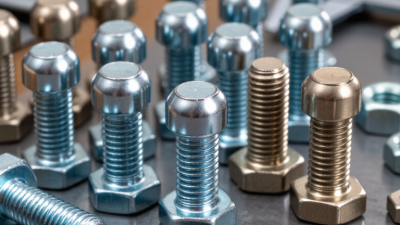
Why Are Hot Sale Carriage Bolts Popular Globally? The answer begins with their practical design. A rounded head provides a clean exterior, while the square neck helps resist turning during installation. This feature saves time when one side remains difficult to reach. It also reduces the need for a second wrench.

In construction, furniture assembly, fencing, trailers, and outdoor equipment, the Hot Sale Carriage Bolt offers a dependable fastening solution. Installers often notice its value when securing timber frames with limited access. The bolt slides through a prepared hole, and the nut can be tightened from the opposite side. Simple work.

Global demand also reflects consistent manufacturing, available sizes, and material choices. Carbon steel suits many indoor applications, while stainless steel supports projects exposed to moisture. Zinc-plated finishes can improve surface protection, but they are not suitable for every harsh environment. Specification matters more than appearance.

Experienced buyers check thread size, length, head diameter, grade, and coating before ordering. Quality suppliers should provide clear product information, inspection records, and traceable batch details. These practices support safer selection and more reliable performance. However, popularity alone does not prove quality. A low-cost bolt may fail when its strength, fit, or corrosion resistance is misunderstood.

Real projects remain the best test. Uneven holes, excessive tightening, and poor storage can reduce service life. Engineers and installers must review the load requirements and follow applicable technical guidance. The product is useful, but not universal. Careful selection makes its global popularity more than a sales trend.
Why Are Hot Sale Carriage Bolts Popular Globally?

What Are Hot Sale Carriage Bolts?

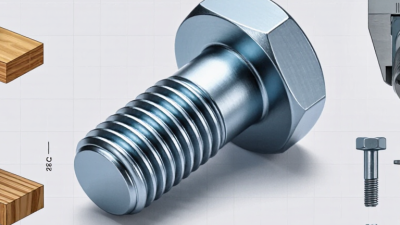
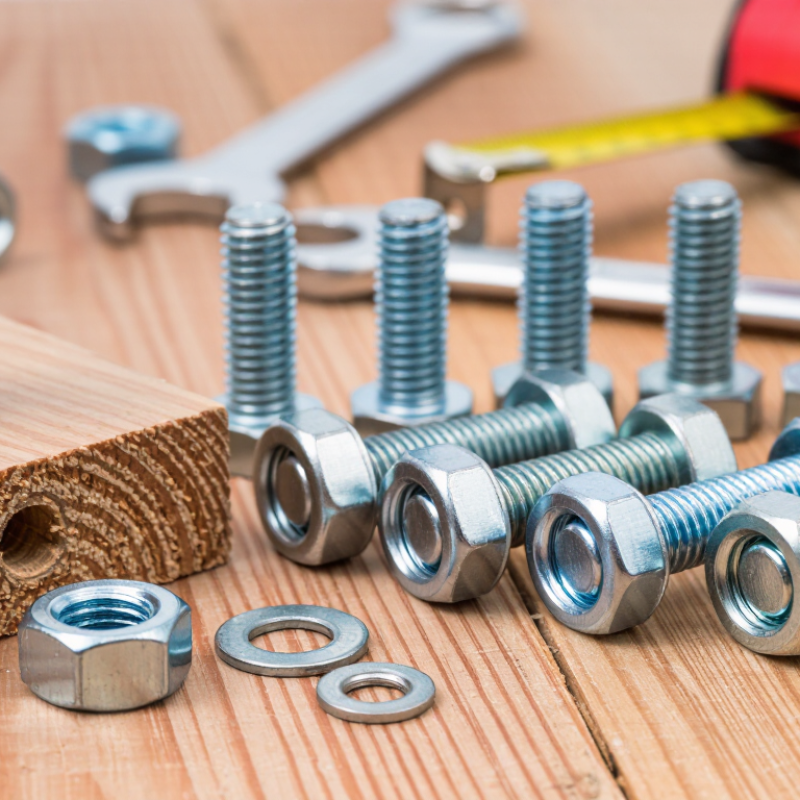
Hot sale carriage bolts are fasteners with a smooth, rounded head and a square neck beneath it. The neck locks into a pre-drilled hole, preventing the bolt from turning during nut tightening. This feature is useful when the rear side is difficult to reach. In practical installation, a worker can hold the nut with one wrench while the bolt stays fixed. ASME B18.5 covers dimensional requirements for round-head square-neck bolts. It does not define “hot sale” as a technical grade.

These bolts commonly use carbon steel, stainless steel, or zinc-coated steel. Carbon steel suits general structural work, while stainless steel performs better in damp or corrosive areas. The visible dome also reduces snagging on timber, fencing, benches, and light metal assemblies. The U.S. Census Bureau reported American construction spending above 2.1 trillion dollars in 2024. That large construction base helps explain steady demand for simple, dependable fastening hardware.

Selection still requires care. A longer bolt is not automatically stronger. Thread length, diameter, coating, and material must match the joint load and environment. Builders often choose zinc-plated models for routine indoor use, but outdoor exposure may demand better corrosion resistance. That distinction is frequently missed. A practical fitting check matters. The square neck should seat fully, not merely press against the surface. “Hot sale” describes purchasing popularity, not guaranteed performance. Even a popular bolt can fail when its grade, washer, or tightening method is wrong.
How Carriage Bolts Are Designed and Manufactured

Why Are Hot Sale Carriage Bolts Popular Globally?

How Carriage Bolts Are Designed and Manufactured

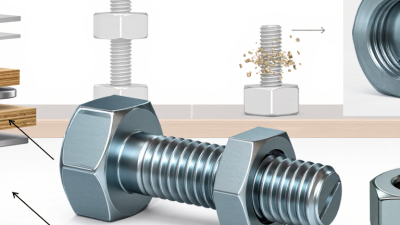
Carriage bolts are popular because their design supports fast, clean assembly. A rounded head leaves fewer sharp edges on exposed surfaces. Below it, a square neck grips the material and resists turning. This matters when one worker tightens the nut from the opposite side. In wood frames, metal brackets, and outdoor fixtures, that simple detail saves time.

Manufacturing begins with steel wire selected for strength and forming performance. Cold heading shapes the domed head and square shoulder under controlled pressure. The bolt body is then sized before threads are rolled onto the shank. Rolled threads usually provide a smoother profile and better material continuity than cut threads. Dimensional checks measure head diameter, neck height, thread accuracy, and shank length.

Coatings influence service life. Zinc-based finishes can improve resistance to moisture, while stainless steel suits more demanding environments. Heat treatment may be added when higher strength is required. Each batch should be checked for hardness, coating coverage, and thread engagement. Small defects matter. A slightly uneven neck can cause rotation during installation, even when the bolt looks acceptable. That is an area manufacturers must keep reviewing. Real production is rarely perfect, so reliable inspection remains essential. Surface appearance alone cannot prove performance.

Why Are Hot Sale Carriage Bolts Popular Globally? – How Carriage Bolts Are Designed and Manufactured
Data Dimension Typical Specification or Data Design Feature Manufacturing Consideration Reason for Global Popularity
Product Structure Domed head + square neck
A smooth, rounded head is combined with a square neck directly beneath it.
The square neck engages with a matching hole in wood or metal and helps prevent the bolt from rotating during nut tightening. Cold forming is commonly used to produce the head and neck. The neck dimensions must remain consistent for reliable engagement. One-tool installation is possible in many applications because the bolt head can resist rotation without requiring a second wrench.
Common Metric Sizes Frequently stocked diameters include M6, M8, M10 and M12.
Common lengths are approximately 20–200 mm, depending on the product range.
Diameter provides load-carrying capacity, while length is selected according to the combined thickness of the materials, washer and nut. Threads are produced by rolling or cutting after the blank is formed. Dimensional tolerances are controlled according to the applicable standard. Metric sizes are widely used in international construction, machinery, furniture and agricultural equipment markets.
Thread System Metric coarse threads are widely used; inch-based UNC and other regional thread systems are also available. Coarse threads generally provide practical assembly, good resistance to cross-threading and suitable performance in many general-purpose joints. Thread pitch, major diameter, length and thread quality are checked with gauges or calibrated measuring equipment. Availability in metric and inch thread systems allows the same basic bolt design to serve different regional standards.
Typical Materials Low- and medium-carbon steel are common. Stainless steel grades such as A2 or A4 are selected when improved corrosion resistance is required. Steel provides strength and economy, while stainless steel is useful in damp, outdoor, food-processing or marine-related environments. Material chemistry and mechanical properties are verified through supplier documentation and, when required, laboratory testing. Several material options allow buyers to balance strength, corrosion resistance, service life and cost.
Mechanical Strength Carbon-steel carriage bolts may be supplied in property classes such as 4.6 or 8.8 under ISO mechanical-property systems. Actual availability depends on the standard and supplier. Higher property classes can support greater tensile and proof loads, but joint design must also consider the connected materials and tightening method. Heat treatment may be used for higher-strength steel grades. Tensile, hardness and proof-load tests can be performed for verification. A range of strength classes supports both light-duty fastening and more demanding structural or machinery applications.
Corrosion Protection Common finishes include plain steel, zinc electroplating, hot-dip galvanizing and stainless steel. The selected finish should match the humidity, salt exposure, chemical environment and expected service life. Plating or galvanizing is applied after forming and cleaning. Coating thickness and appearance are checked during quality inspection. Multiple finish options make carriage bolts suitable for indoor furniture, outdoor structures and exposed construction work.
Manufacturing Process Typical sequence: wire preparation, cold heading, square-neck forming, trimming, thread rolling or cutting, heat treatment when required, surface finishing and inspection. The integrated head-and-neck geometry reduces the need for separate anti-rotation components. Automated forming and thread-rolling equipment can produce consistent parts efficiently in large quantities, while inspection controls dimensional accuracy. A relatively efficient production route helps keep standard carriage bolts widely available and cost competitive.
Installation Efficiency The bolt is inserted through a prepared hole, and the nut is tightened from the opposite side with a washer when required. The square neck normally locks against the hole surface, reducing bolt spin during tightening. The neck size and head underside must be formed accurately so that the fastener seats correctly without excessive damage to the mating material. Faster installation can reduce labor time, especially where access to the bolt head is limited.
Common Applications Timber framing, outdoor structures, playground equipment, trailers, agricultural machinery, metal brackets, furniture and general fabrication. The low-profile rounded head provides a finished appearance and reduces exposed sharp edges compared with many hex-head alternatives. Product selection must account for joint thickness, hole clearance, load direction, vibration and environmental exposure. The design is compatible with wood-to-wood, wood-to-metal and many metal-to-metal fastening situations.
Quality Checks Typical checks include head diameter, head height, neck dimensions, bolt length, thread gauge, coating condition and mechanical performance. Accurate dimensions help ensure proper seating, anti-rotation performance and compatibility with standard nuts and washers. Inspection may follow relevant ISO, ASTM, DIN or other applicable specifications selected for the target market and product type. Recognizable dimensions and widely used standards simplify purchasing, replacement and quality control across international supply chains.
Main Purchasing Advantages Standardized sizes, broad material choices, simple installation, attractive head profile and widespread availability. The design combines an anti-rotation neck with a clean external appearance and a conventional nut-and-washer connection. Standard production methods support repeatability, scalable output and compatibility with common packaging and distribution systems. Their balance of price, installation convenience, appearance and application flexibility explains their sustained popularity in global markets.
Selection note: Dimensions, material grades, strength classes and finishes vary by applicable standard and manufacturer. Always verify the product drawing, material certificate and required load rating before use in a safety-critical joint.

Why Carriage Bolts Are Widely Used Across Industries

Why Are Hot Sale Carriage Bolts Popular Globally?

Carriage bolts are widely used across industries because they combine simple installation with dependable holding power. Their rounded heads leave fewer sharp edges on exposed surfaces. The square neck grips wood or thin metal after tightening. This reduces unwanted rotation during assembly. A practical example is a timber frame, where the bolt head remains visible while the nut stays beneath the joint.

The global fasteners market was valued at about USD 90 billion in 2023, according to Fortune Business Insights. Industry reports also expect steady growth through the next decade. Carriage bolts benefit from this demand in construction, transport equipment, agricultural machinery, and outdoor structures. Their standard shapes simplify sourcing across regions. Maintenance teams can often replace them without changing the entire joint design. That matters when repairs happen outdoors, with limited tools.

They are not perfect.

A rounded head may provide less clamping access than a hexagonal head. The square neck can also damage softer materials if installation pressure is excessive. Engineers must match bolt diameter, grade, coating, and load requirements carefully. The International Organization for Standardization stresses consistent mechanical testing for fasteners used in structural applications. In real workshops, rushed drilling and poor torque control still cause failures. This weak point deserves more attention. Low cost alone should never decide the specification.

Which Features Make Them Popular in Global Markets?

Hot sale carriage bolts remain popular because they combine simple installation with dependable holding strength. Their rounded heads create a smooth exterior, reducing snagging on wood, metal frames, and outdoor equipment. The square neck beneath the head helps prevent rotation during tightening. That detail saves time when access is limited.

Global buyers also value consistent dimensions, corrosion-resistant finishes, and clear tensile-strength data. Zinc-plated versions suit many indoor and light outdoor applications, while stainless steel performs better in damp environments. In field inspections, matching bolt size with washer and nut quality has proven essential. A strong bolt can still fail when the connected parts are poorly fitted. That point is often missed.

Tips: Check thread length before ordering. Confirm the diameter, head size, and material grade. Ask for inspection records when purchasing large quantities. Store bolts in a dry area, because damaged packaging can invite surface corrosion. Do not assume a popular product fits every project. That assumption is convenient, but incomplete. Comparing load requirements, joining materials, and exposure conditions creates a more reliable choice.

Why Are Hot Sale Carriage Bolts Popular Globally?

Carriage bolts are widely used because their square neck helps prevent rotation during tightening, while their domed head provides a clean, low-snag finish. Metric property classes also give buyers a common way to compare mechanical strength across international markets.

Key takeaway: Global buyers can select carriage bolts by standardized strength classes, while the anti-rotation neck, smooth domed head, wide size availability, and options such as zinc plating or stainless steel support use in construction, woodworking, machinery, outdoor structures, and general maintenance.

How to Select the Right Carriage Bolts for Different Applications

Why Are Hot Sale Carriage Bolts Popular Globally?

Carriage bolts remain popular because their domed heads resist snagging, while the square neck limits rotation. This helps installers tighten one side with fewer tools. Their value depends on correct selection, not just price.

ASME B18.5 defines common dimensions and head styles, giving buyers a dependable reference across suppliers. Metric projects should also confirm thread pitch, length, and nut compatibility.

Choose material from the working environment. Zinc-plated carbon steel suits dry indoor frames and general repairs. Stainless steel is safer near moisture, food-processing areas, and coastal air.

The NACE IMPACT study estimated corrosion costs at 3.4% of global GDP, showing why surface protection deserves serious attention. For structural or vibrating applications, check the required strength grade, thread engagement, and washer arrangement.

A longer bolt is not automatically better; excess thread can collect debris or interfere with moving parts.

Tips:

Measure the material stack before ordering. Select a neck size that fits the hole without forcing it. Check the coating thickness around the head and threads. For outdoor use, review galvanic compatibility between the bolt and connected metal. Apply the specified tightening method, but do not guess torque values. Published torque tables often assume specific lubrication and hardware conditions. That detail is easy to miss.