Why Choose High Quality Carriage Bolts?

Why Choose High Quality Carriage Bolts?

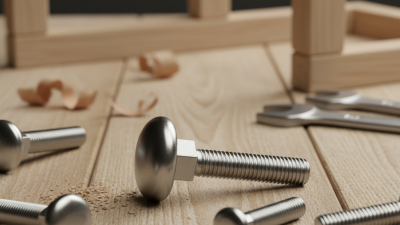
A carriage bolt may look simple, but its performance depends on steel quality, thread accuracy, and surface protection. Under a wooden beam, its rounded head should remain stable while the square neck resists rotation. Small details matter.

ResearchAndMarkets’ Fasteners Global Market Report 2024 estimates that the global fasteners market reached approximately USD 90.66 billion in 2023. It also identifies construction, automotive production, and industrial equipment as important demand sectors. These figures show a growing market, but they do not guarantee reliable products. Quality still requires verification.

John H. Bickford, a recognized authority on bolted-joint design, wrote, “The bolt is the least expensive component in a bolted joint, but it is the most important.” That principle explains why a High Quality Carriage Bolt deserves careful selection. Manufacturers should control material composition, tensile strength, dimensional tolerance, thread form, and coating thickness. Independent testing and traceable documentation add confidence.

Standards matter.

ASTM specifications, ISO 898-1 requirements, and controlled production records can help buyers compare suppliers. A thicker coating is not always better. Excessive coating may affect thread fit or installation torque. This point is often overlooked.

My practical view is simple: inspect the head, square neck, threads, and finish before installation. Check the certificate, too. A perfect bolt may not exist, and even a strong bolt can fail after poor tightening or misaligned holes. Choosing quality reduces that risk, but it cannot replace sound design, correct installation, and regular inspection.
Why Choose High Quality Carriage Bolts?

What Are High-Quality Carriage Bolts?

What Are High-Quality Carriage Bolts?

High-quality carriage bolts are engineered fasteners, not merely bright, rounded bolts. Their domed heads should be smooth and consistent, while the square neck must lock firmly into wood or metal. Accurate threads matter too. A loose thread can create movement, noise, and early joint failure.

Material identification is essential. ISO 898-1 specifies mechanical properties for metric carbon-steel fasteners; property class 8.8 requires a nominal tensile strength of 800 MPa. ASTM F606/F606M also defines mechanical test methods, including tensile and proof-load testing. These references help buyers verify performance instead of trusting appearance. Corrosion protection matters as well. Coating thickness, adhesion, and salt-spray results should match the working environment. A shiny surface alone proves very little.

Tips: Check the diameter, length, thread pitch, and property marking. Ask for a material certificate and inspection report. The square neck should seat without hammering. If it spins during tightening, the fit is wrong. I have seen attractive bolts fail because their necks were undersized. That detail is easy to miss. Quality control is never perfect, so sample inspections should include dimensions, surface defects, thread accuracy, and load testing. Ensure the bolt matches the nut, washer, and joint design.

How Are High-Quality Carriage Bolts Manufactured?

Why Choose High Quality Carriage Bolts?

High-quality carriage bolts begin with controlled material selection. Manufacturers usually choose certified carbon steel or stainless steel, depending on load, moisture, and temperature. The wire is cleaned, cut, and cold-formed into a rounded head and square neck. This process improves consistency and reduces wasted material.

The threads are usually rolled rather than cut. Rolled threads create stronger grain flow and smoother engagement. After forming, heat treatment can improve hardness and tensile strength. However, excessive hardness may reduce toughness. This balance requires careful temperature control and regular testing. Surface finishing follows, often through zinc plating or another protective coating. Inspectors check dimensions, thread accuracy, coating coverage, and head alignment. Small defects matter. A slightly uneven square neck may allow the bolt to spin during installation.

Tips: Check the bolt diameter, length, material grade, and neck size before ordering. Match the coating to the working environment. For outdoor assemblies, inspect the finish for scratches and exposed steel. Ask for test reports and batch traceability when safety matters. Do not judge quality by appearance alone; a bright surface can hide weak material or poor threads.

Reliable manufacturers also maintain inspection records and calibrate measuring equipment. Even strong processes need review. Manufacturing errors can occur, especially when tooling wears gradually. Consistent sampling helps detect these problems before they reach the assembly line.

Why Choose High-Quality Carriage Bolts?

High-quality carriage bolts are manufactured from controlled-grade steel and undergo forming, heat treatment, thread rolling, surface finishing, and dimensional inspection. The chart compares the minimum mechanical properties specified for common metric bolt property classes under ISO 898-1.

Higher property classes provide greater resistance to tensile loading and permanent deformation when the bolts are correctly designed, installed, and matched with the application. Values are minimum nominal requirements in MPa and are not company or brand data.

What Benefits Do High-Quality Carriage Bolts Provide?

Why Choose High Quality Carriage Bolts?

High-quality carriage bolts provide dependable fastening in timber, metal, and outdoor structures. Their rounded heads create a smooth surface with fewer snagging points. The square neck locks into the material during tightening. This feature helps prevent the bolt from spinning when access is limited.

Material quality affects strength and service life. Properly produced bolts have consistent threads, accurate dimensions, and a firm square shoulder. These details support even clamping pressure across connected parts. In a deck frame, for example, a well-made bolt holds boards tightly without crushing the surrounding wood. Suitable protective finishes also reduce rust in humid or exposed locations. Small details matter.

I have inspected installations where low-quality threads damaged nuts during assembly. That mistake was costly. A reliable carriage bolt usually installs smoothly with the correct nut and washer. It also reduces rework when several fasteners must align along one beam. However, quality alone cannot fix poor installation. The hole must match the bolt size, and the nut should not be overtightened. I have occasionally trusted appearance too quickly, especially when a bright coating looked convincing. Checking the material specification, strength grade, and coating remains important. Regular inspection can reveal loosening, surface corrosion, or crushed wood before the joint becomes unsafe.

Why Choose High Quality Carriage Bolts? - What Benefits Do High-Quality Carriage Bolts Provide?

Quality Dimension Typical Quality Requirement or Reference Benefit of High-Quality Carriage Bolts Practical Verification Method
Material strength Metric property class 8.8 bolts have a nominal tensile strength of 800 MPa and a nominal yield ratio of 0.8 under ISO 898-1. Lower-strength classes, such as 4.6, have lower mechanical ratings. Provides greater resistance to tensile loading and reduces the risk of bolt stretching or fracture when the correct grade is selected for the application. Review the grade marking, material certificate, and tensile or proof-load test report.
Dimensional accuracy Carriage bolt dimensions, including head and square-neck geometry, should conform to applicable specifications such as ASME B18.5 or the relevant metric standard. Ensures reliable fit through the workpiece and helps the square neck engage properly without excessive clearance or installation difficulty. Measure head diameter, head height, neck dimensions, shank diameter, and overall length with calibrated tools.
Thread consistency Threads should match the specified profile, pitch, tolerance, and fit, such as ISO metric external thread tolerance class 6g or the applicable Unified thread specification. Improves nut engagement, reduces cross-threading, and supports more consistent tightening and clamp load. Use calibrated GO/NO-GO gauges, thread plug gauges, or a compatible nut for a basic fit check.
Head and square-neck integrity The head-to-shank transition and square neck should be free from cracks, laps, folds, and severe forming marks. Helps prevent head separation and allows the square neck to resist rotation during nut tightening. Perform visual inspection and, when required, magnetic-particle or other suitable non-destructive testing.
Corrosion protection Protective finishes may include zinc coatings or other specified systems evaluated according to the applicable coating standard, such as ISO 4042. Extends service life in humid or outdoor environments and helps preserve thread usability during maintenance. Check coating type, coating thickness requirements, surface uniformity, and corrosion-test documentation where specified.
Coating compatibility with strength grade High-strength fasteners require suitable plating controls because electroplating can introduce hydrogen embrittlement risks if processing is not properly managed. Reduces the likelihood of delayed cracking in highly stressed fasteners and improves confidence in long-term performance. Request documented cleaning, plating, baking, and hydrogen-embrittlement control procedures when applicable.
Load and torque reliability Achievable clamp load depends on bolt grade, diameter, thread condition, lubrication, nut quality, and tightening method; there is no single universal torque value. Consistent dimensions and surface condition make tightening results more repeatable and help maintain joint stability. Use an approved torque or tensioning procedure and verify the assembly with torque-tension testing when critical.
Surface finish and cleanliness The surface should be free from excessive burrs, scale, sharp edges, oil contamination, and visible coating defects. Supports easier handling and installation while reducing thread damage and premature surface corrosion. Inspect representative samples under adequate lighting and verify packaging and storage conditions.
Traceability and documentation Reliable suppliers can associate products with batch or lot information, material records, dimensional results, and applicable test reports. Makes quality issues easier to investigate and supports maintenance records, audits, and controlled replacement. Check lot identification, certificates of conformity, inspection records, and applicable standard references.
Application suitability The selected diameter, length, material, strength class, finish, and nut must match the joint design, environment, and expected loads. Prevents over- or under-specification and improves safety, service life, and total installation value. Confirm engineering requirements, joint loads, environmental exposure, clearance, and compatibility before purchase.

Note: Actual performance depends on the bolt diameter, length, material, strength grade, coating, installation method, joint design, and service environment. Applicable standards and project specifications should be confirmed before selection.

How Should You Select the Right Carriage Bolts?

Choosing the right carriage bolt starts with the joint, not the catalog photograph. Measure the material thickness, hole diameter, and available thread length. The square neck must seat firmly without crushing wood or deforming thin sheet metal. Measure twice.

Material selection depends on load and exposure. SAE J429 lists minimum tensile strengths of 120 ksi for Grade 5 and 150 ksi for Grade 8 fasteners. These figures help compare strength, but they do not replace engineering calculations. ISO 898-1 identifies property class 8.8 bolts with a nominal tensile strength of 800 MPa. Do not guess. A stronger bolt can still fail when the connected material is weak.

Check thread size, grip length, head diameter, and installation access. For outdoor or humid service, select a coating compatible with the environment and nearby metals. ASTM F606/F606M provides recognized methods for evaluating fastener tension and hardness, so test certificates deserve attention. Ask whether the lot was tested, not merely inspected visually. A common field mistake is choosing a long bolt and relying on excessive thread engagement. That can leave the joint loose or damage the assembly. Torque control also matters, especially with lubricated coatings. The published torque value may change with friction. I would record the bolt grade, coating, batch, and installation method. It feels excessive until a joint loosens months later. Quality is not only higher strength; it is predictable fit, verified performance, and correct selection.

Where Are High-Quality Carriage Bolts Commonly Used?

High-quality carriage bolts are common wherever a smooth, secure fastening surface matters. Their rounded heads reduce snagging on timber frames, benches, fences, and outdoor play structures. A square neck grips the material and helps prevent the bolt from turning during tightening. That detail saves time. In field repairs, I have found that poor threads can waste more time than their lower price suggests.

Construction crews use carriage bolts for decks, wooden bridges, gates, and timber-to-steel connections. Manufacturers also install them in trailers, agricultural equipment, storage racks, and workshop furniture. High-quality versions offer consistent dimensions, dependable tensile performance, and coatings suited to moisture or indoor conditions. For load-bearing work, the bolt must match the design, material thickness, washer, and nut. A strong bolt alone is not a complete safety plan. Always follow verified engineering requirements and the relevant fastener specifications.

Tips: Check the diameter, length, thread condition, and coating before installation. Measure the combined material thickness carefully. The bolt should extend beyond the nut without excessive unused thread. Tighten it firmly, but avoid crushing timber. I once assumed a thicker bolt was automatically better; fit and material compatibility proved more important. Recheck outdoor connections after seasonal movement, because wood can shrink, swell, and loosen fasteners.