Top 10 Furniture Bolt Types You Need for Your Projects?
In recent years, the furniture industry has seen significant growth, driven by increased consumer demand for home improvement. A recent report from IBISWorld indicates that the U.S. furniture manufacturing market is expected to reach $47 billion by 2024. This rising popularity places a premium on the materials and components used, especially the often-overlooked furniture bolt.
Furniture bolts are essential for ensuring the stability and durability of various furniture pieces. They come in different types, each tailored for specific applications. According to research published by the Furniture Society, selecting the right furniture bolt type can enhance the structural integrity of your projects. However, many enthusiasts and professionals alike often struggle with choosing the best options.
Misinformation abounds, leading to mistakes in hardware selection. Some may underestimate the importance of quality bolts, which can result in unsafe or unstable furniture. It’s vital to understand the characteristics of different furniture bolts and their applications. This knowledge will empower designers and builders to create lasting, high-quality furniture pieces. The right choice of furniture bolt can truly make a difference in your projects.
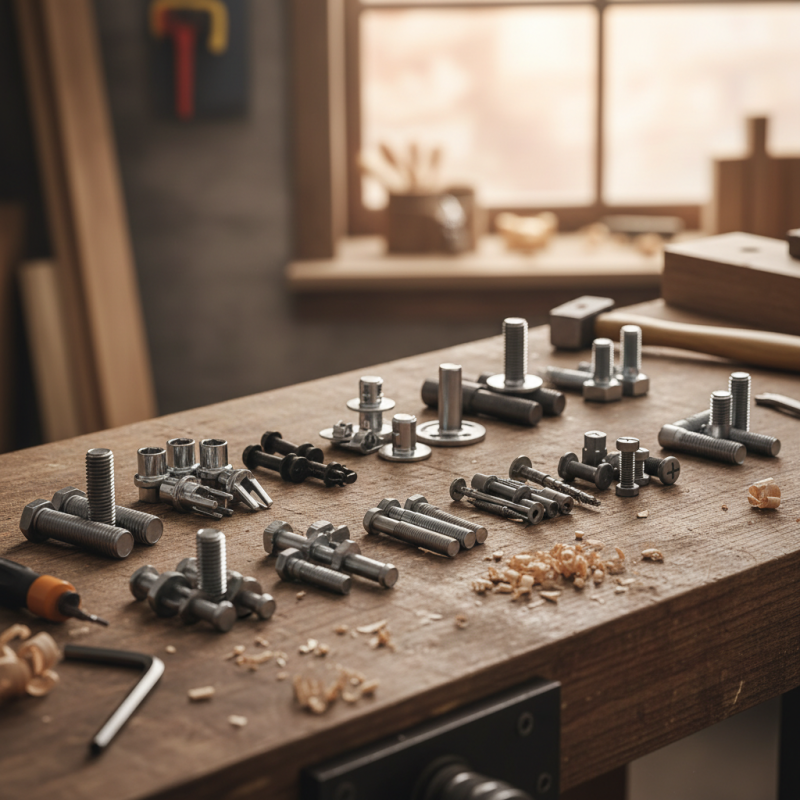
Understanding the Importance of Furniture Bolts in Projects
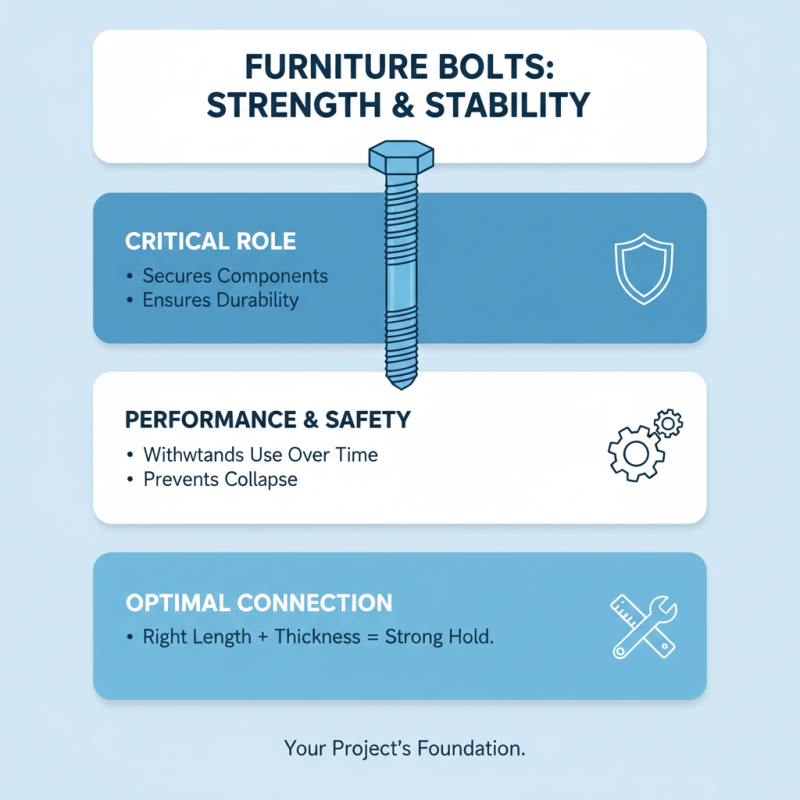
Furniture bolts play a critical role in ensuring the stability and durability of projects. They secure various components, allowing furniture to withstand use over time. A well-chosen bolt can make a significant difference in performance and safety. For example, using the right length and thickness provides a strong connection, preventing furniture from collapsing.
Understanding the different types of bolts is essential for anyone engaged in furniture construction. Some bolts, like lag screws, are ideal for heavy-duty applications. Others, like through bolts, provide added security by passing through multiple components. It’s crucial to match the bolt type to the material being used. Not all bolts work well with every wood or composite. Choosing the wrong bolt can lead to failure.
Reflecting on past projects can offer valuable lessons. It’s not uncommon to discover that a project suffered due to inadequate fasteners. This highlights the need for careful selection and understanding of how different bolts interact with the materials. Recognizing the importance of furniture bolts is the first step in achieving quality craftsmanship.
Common Materials Used for Furniture Bolt Construction
When choosing furniture bolts, the construction material is crucial. Common materials include steel, stainless steel, and brass. Steel is popular due to its strength and durability. It's often used in heavy-duty furniture, like beds and dining tables. However, steel can rust if not properly coated. This indicates the importance of weather resistance in certain settings.
Stainless steel, on the other hand, is resistant to corrosion. It's ideal for outdoor furniture or areas with high humidity. However, it can be more expensive than regular steel. Brass offers an aesthetic appeal. Its golden hue enhances furniture design. Yet brass may not handle heavy loads as effectively as steel.
It's vital to consider project needs when choosing materials. Lighter furniture may use lower-grade steel or even plastic composites. These options might save costs but can compromise strength. Always weigh the pros and cons of each material type. Your choice affects both the durability and the overall look of the furniture.
Top 10 Furniture Bolt Types You Need for Your Projects - Common Materials Used for Furniture Bolt Construction
| Bolt Type |
Material |
Typical Use |
Strength Level |
| Hex Bolt |
Carbon Steel |
Heavy-duty furniture |
High |
| Carriage Bolt |
Stainless Steel |
Outdoor furniture |
Medium |
| Lag Bolt |
Zinc-Plated Steel |
Wooden furniture |
Very High |
| Socket Head Cap Screw |
Alloy Steel |
Metal furniture |
High |
| Thumb Screw |
Brass |
Decorative furniture |
Low |
| Binding Bolt |
Steel |
Connecting panels |
Medium |
| Eye Bolt |
Stainless Steel |
Hanging furniture |
High |
| Drop-In Anchor |
Steel |
Concrete furniture |
High |
| Set Screw |
Alloy Steel |
Adjustable furniture |
Medium |
| T-Bolt |
Stainless Steel |
Furniture frames |
High |
Key Features to Look for in Furniture Bolts
When selecting furniture bolts for your projects, understanding the key features is crucial. Look for materials that offer strength and durability. Steel bolts are often preferred due to their resilience. Consider the coating as well, as it can prevent rust and corrosion. A good finish adds to the longevity of your furniture.
Another important factor is the thread type. Coarse threads are ideal for softer materials, while fine threads work well with harder woods. The length of the bolt also matters. It should be long enough to provide secure fastening, but not so long that it pierces through the other side.
Don’t overlook the head style. Options like hex or pan heads can influence the tool needed for installation. Always assess the overall design of your project. A bolt that works on one piece may not suit another. Testing different types can help optimize your assembly process. Balancing strength and aesthetics is a task worth considering.
Top 10 Types of Furniture Bolts and Their Applications
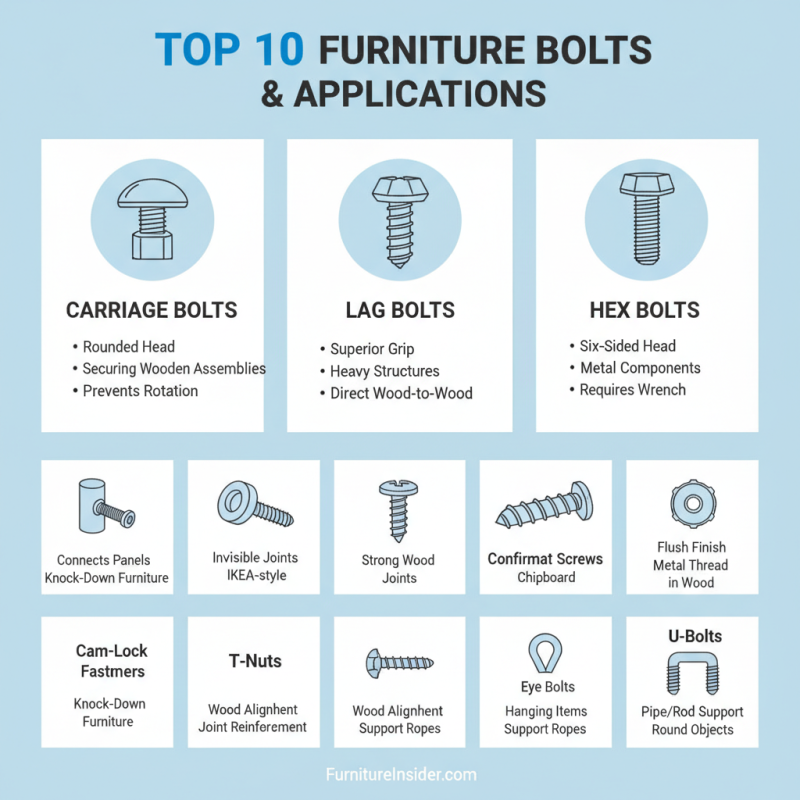
When it comes to furniture assembly, choosing the right bolt type is crucial. Each type serves a unique purpose, impacting both strength and durability. The most common types include carriage bolts, which have a rounded head and are excellent for securing wooden assemblies. Lag bolts offer superior grip for heavy structures, while hex bolts work well for metal components.
Another essential type is the shoulder bolt. It allows for smooth rotation, which is vital in furniture with moving parts. Additionally, toggle bolts are perfect for hollow walls, providing stability where conventional fasteners may fail. Consider using eye bolts for installing hooks or hanging elements, allowing for a versatile arrangement.
However, not every project requires the biggest or strongest bolts. Overkill can lead to unnecessary weight and cost. Understanding the specific needs of your project means better choices and avoiding complications. Assessing material types and load requirements is essential for effective use. Familiarity with these details enhances your reliability as a builder and ultimately elevates your craftsmanship.
Installation Tips for Optimal Performance of Furniture Bolts
When installing furniture bolts, precision is key. Start by choosing the right type for your project. Ensure the diameter and length match your furniture's design. Measure twice before drilling. A miscalculation can lead to weak joints, affecting stability. Consider pre-drilling to avoid splitting the wood. Use a drill bit slightly smaller than the bolt for a secure fit.
Tightening the screws appropriately is essential. An overtightened bolt can cause damage. It may strip the threads, leading to failure in the connection. Use a torque wrench for consistent torque, especially for larger projects. Regular checks after assembly are wise. Sometimes, bolts may require readjustment due to settling. This proactive approach enhances durability and performance.
Consider using washers for a better grip. They distribute the load, reducing wear. Also, apply a bit of lubricant for smoother installation. Remember, taking the time to ensure proper installation pays off in the long run. Reflect on your technique. Each project provides lessons. Embrace the opportunity to improve your skills.